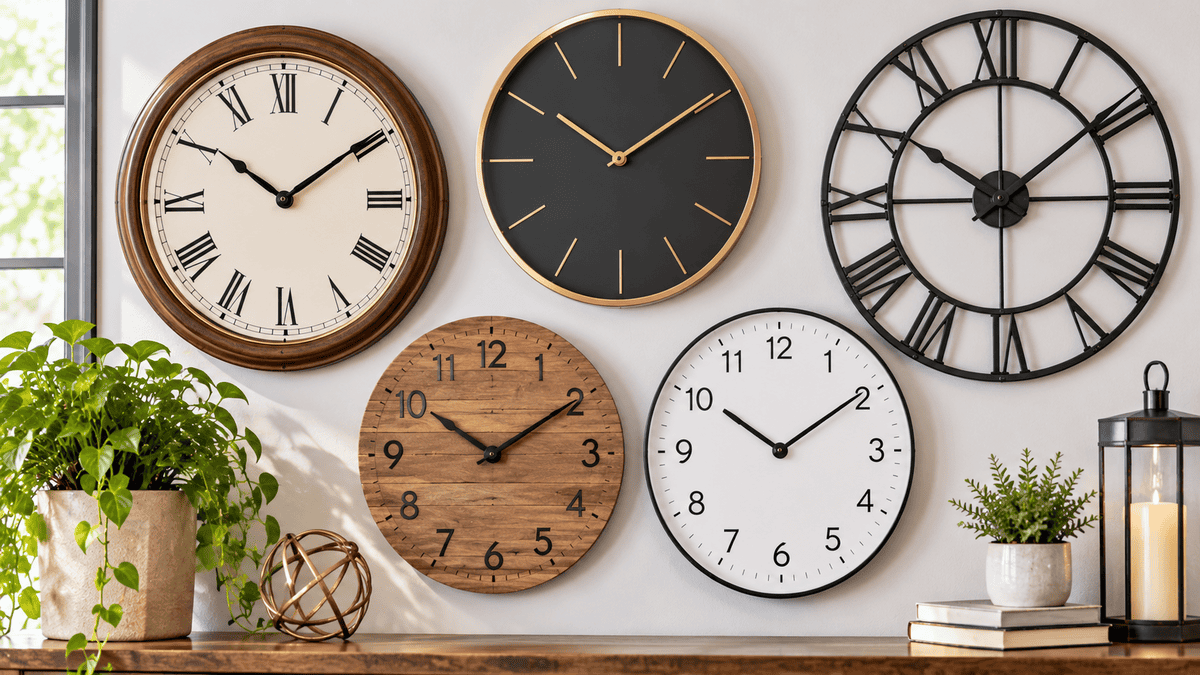
Gently Used vs. New Clocks: Is Pre-Owned a Smart Buy?
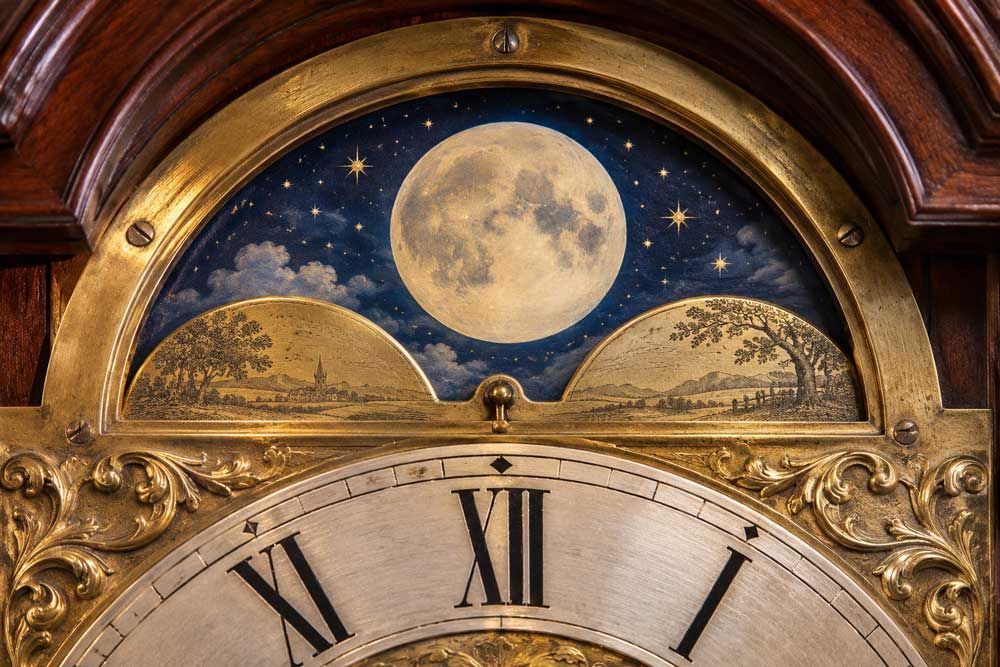
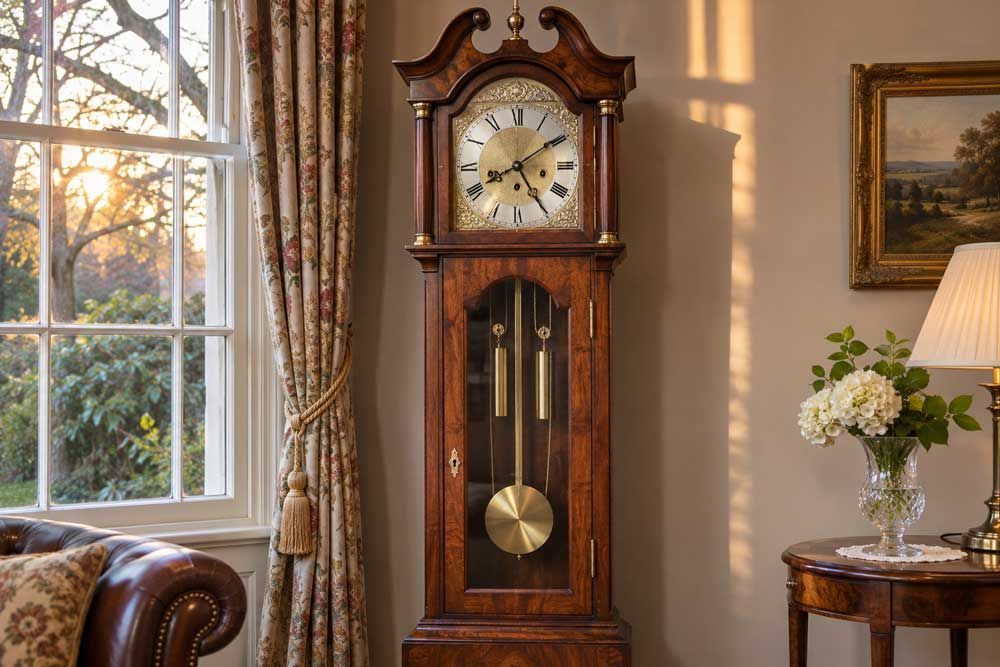
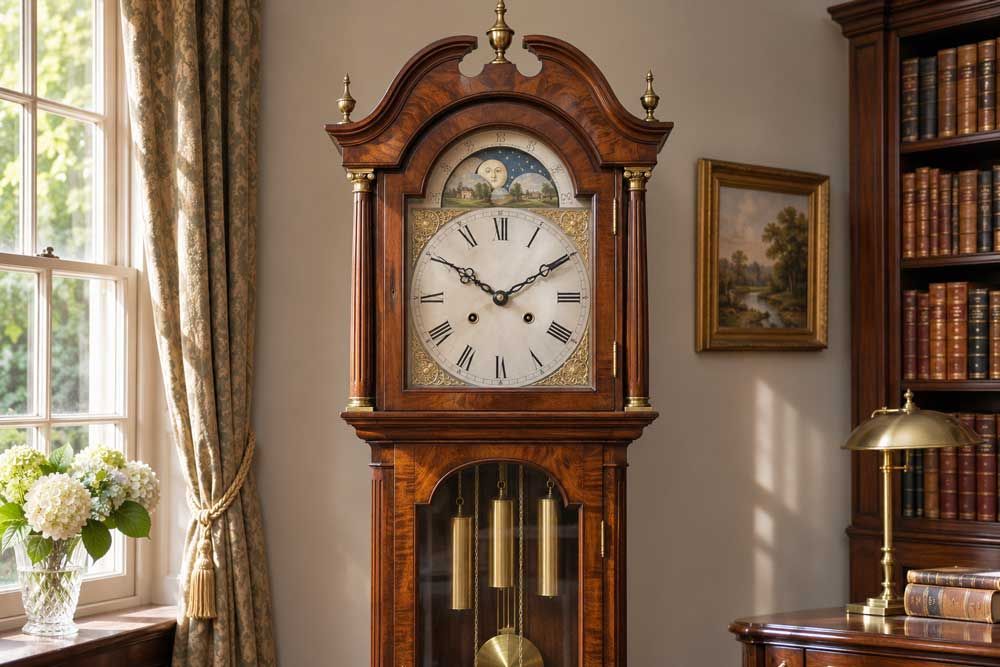
There is something a modern timepiece cannot manufacture: the particular weight of a movement that has already measured out decades. You can feel it when a pre-owned antique grandfather clock settles into its beat in your hallway, the gentle chime marking the hour and the hand-oiled gears turning with a rhythm that feels less like mechanism and more like breathing. Mass-produced timepieces are reliable in the way a printed photograph is reliable. They capture the surface. A pre-owned mechanical heirloom carries the original.
The choice between pre-owned and new extends far beyond price, centering instead on the kind of object you want anchoring your space and whether the history embedded in a century-old movement adds value or risk to your purchase. This distinction matters enormously when you are deciding whether to invest in something that will live in your home for generations.
Is a Pre-Owned Antique Clock a Smart Buy?
A pre-owned antique timepiece is a singularly wise acquisition when it has been professionally evaluated and reconditioned. An antique timepiece, defined as any heirloom at least a century old, offers historical character, superior old-world craftsmanship, and enduring value that mass-produced modern alternatives cannot replicate, performing with absolute exactitude when properly restored.
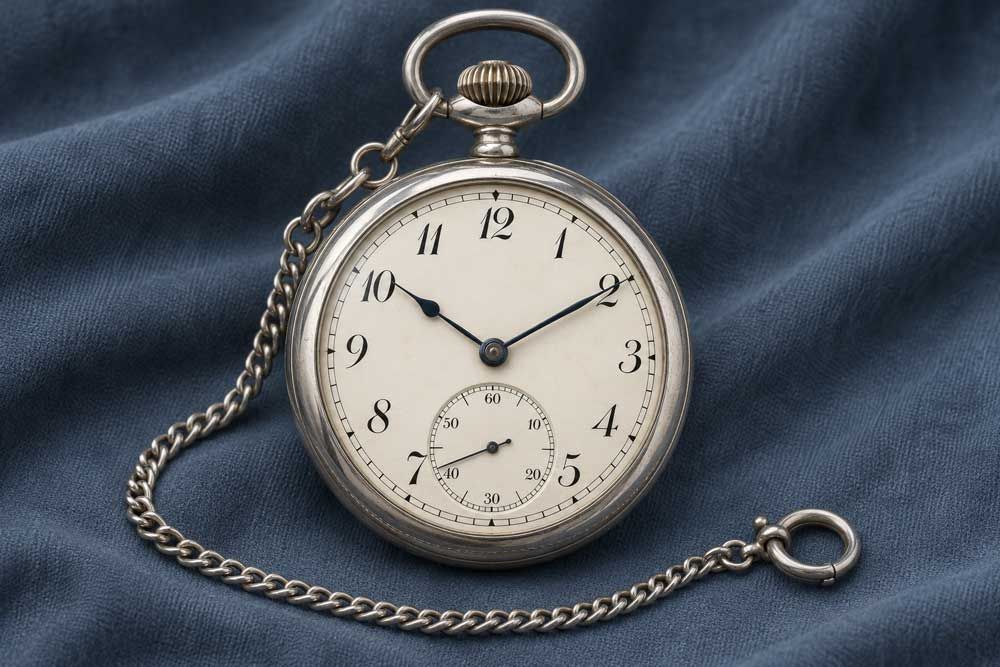
A vintage timepiece, by contrast, refers to an heirloom generally between 20 and 99 years old. Both categories carry meaningful appeal, but the distinction matters for appraisal, valuation, and the depth of mechanical history you are acquiring. An antique mantel timepiece from the 1890s and a vintage wall timepiece from the 1960s are fundamentally different investments, even if they occupy similar shelf space.
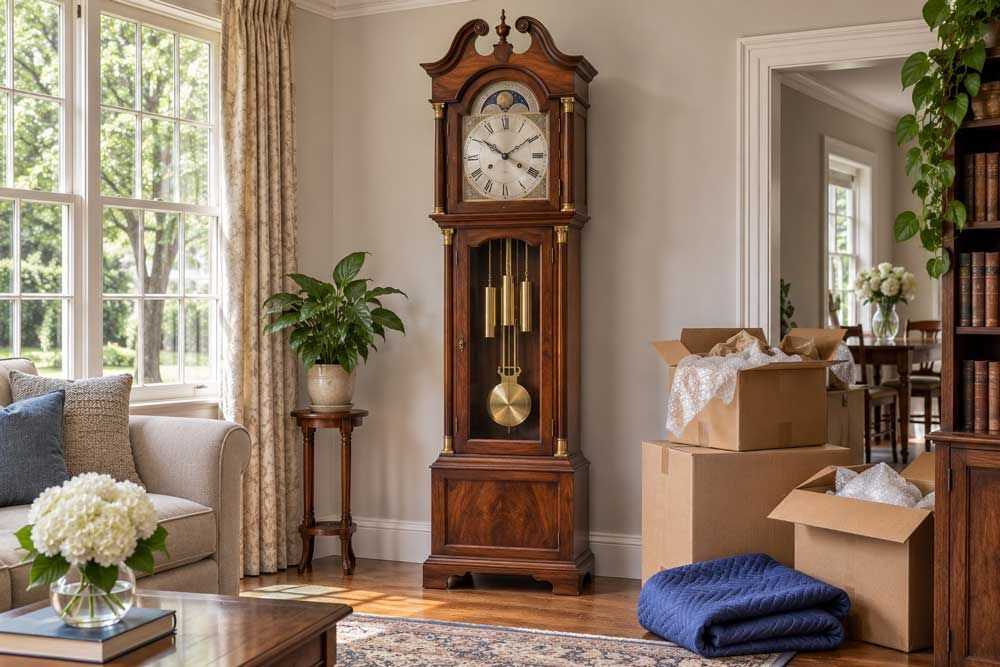
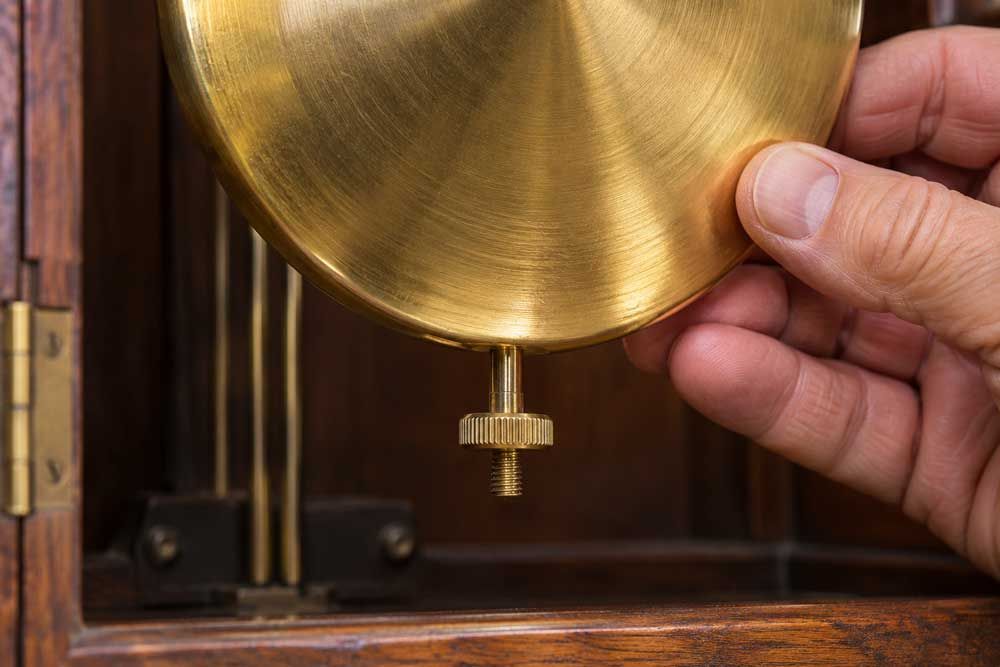
The deeper argument for pre-owned is structural. High-quality mechanical movements, the kind found in a genuine antique grandfather clock or a well-made vintage grandfather clock, were engineered to be disassembled, cleaned, rebushed, and returned to service indefinitely. This durability represents a manufacturing philosophy that has largely disappeared from modern consumer goods. When you acquire a pre-owned mechanical timepiece, you are not buying something that will eventually become obsolete. You are acquiring an object whose entire design premise is continuity.
Framing this purchase as an investment in preservation, rather than a retail transaction, changes how you evaluate the decision. The investment in preservation covers not just the acquisition price but the professional reconditioning that ensures the movement runs cleanly for another generation. Families who have passed an antique timepiece from one household to the next understand this intuitively; the timepiece carries stories that no new manufacture can replicate, and its mechanical soul remains intact as long as it receives proper custodianship.
What Are the Benefits of Buying Antique Clocks Over Brand-New Models?
Buying an antique timepiece offers access to aged hardwoods and hand-carved cabinet details rare in modern production, the singular warmth of a mechanical movement's heartbeat, and stable investment value. Because pre-owned models have already absorbed initial retail depreciation, their financial trajectory remains singularly secure over time.
The advantages compound in ways that are worth examining individually:
- Craftsmanship and Materials: Antique and vintage grandfather clocks were built from premium aged cherry, oak, and mahogany, woods that have already cured and stabilized over decades. The joinery, inlay work, and hand-carved ornamentation found on these cabinets represent a level of fabrication that modern manufacturing rarely attempts and almost never achieves at comparable price points.
- Sound and Character: A mechanical movement produces something a quartz timepiece never will: the rhythmic heartbeat of hand-oiled gears, the resonant sweep of a pendulum, and a chime whose acoustic quality fills a room rather than punctuating it. An antique vintage wall timepiece or vintage mantel timepiece carries that character in every tick.
- Financial Value and Depreciation: Pre-owned timepieces have already absorbed the steepest portion of their depreciation curve. Well-maintained antique mantel timepieces and grandfather clocks tend to hold their value with considerable stability, and genuinely rare or historically significant pieces may appreciate over time.
Acquiring a pre-owned heirloom also carries an environmental dimension that is easy to overlook. Preservation is inherently sustainable. Choosing an existing timepiece over a newly manufactured one preserves a historical artifact and sidesteps the raw material consumption that new production requires.
Explore Our Reconditioned Inventory
Our family has curated a selection of fully reconditioned pre-owned and rebuilt antique timepieces, each one evaluated, restored, and backed by a certified rebuilt warranty. If you have been searching for luxury hardwood craftsmanship at a meaningful discount from original retail, a pre-owned grandfather clock from our collection offers heirloom-grade quality with the confidence of professional reconditioning behind it.
What Should You Look For in an Antique Timepiece Inspection Checklist?
A thorough antique timepiece inspection checklist must evaluate the mechanical movement for wear and lubrication, examine the wooden cabinet for structural integrity, and verify any documented antique timepiece preservation history. These three areas together determine whether a pre-owned timepiece is a sound long-term acquisition or a costly restoration project in disguise.
The term "antique vintage wall timepiece" covers a broad range of wall-mounted mechanical movements, from ornate Vienna regulators to simpler schoolhouse designs. "Antique mantel timepieces" typically refers to shelf-mounted spring-driven movements in decorative wooden or marble cases. Both categories repay meticulous scrutiny before purchase, and both carry the same core risks when sold privately without documentation.
Private-party sales are where most mechanical surprises live. Hidden wear is common. A seller may genuinely believe a timepiece is running well, unaware that the lubrication has calcified inside the pivot holes, that the escapement is slightly out of beat, or that a previous amateur adjustment has introduced wear that will accelerate over the next few months. Professional timepiece appraisal and evaluation before finalizing any private purchase represents the critical boundary between acquiring a functioning heirloom and inheriting someone else's deferred maintenance. The investment in preservation required to address undisclosed mechanical wear after the sale will almost always exceed what a pre-purchase evaluation would have cost.
When inspecting any pre-owned timepiece, work through these four areas methodically:
- Mechanical Movement: Look for gear alignment, clean teeth with no visible scoring, and evidence of recent professional oiling. Dried or absent lubrication is the most common cause of accelerated wear in neglected movements.
- Cabinet and Case: Examine the wood for structural cracks, veneer lifting, signs of water damage, or evidence of insect activity. A compromised case affects both the aesthetic value and the structural support the movement depends on.
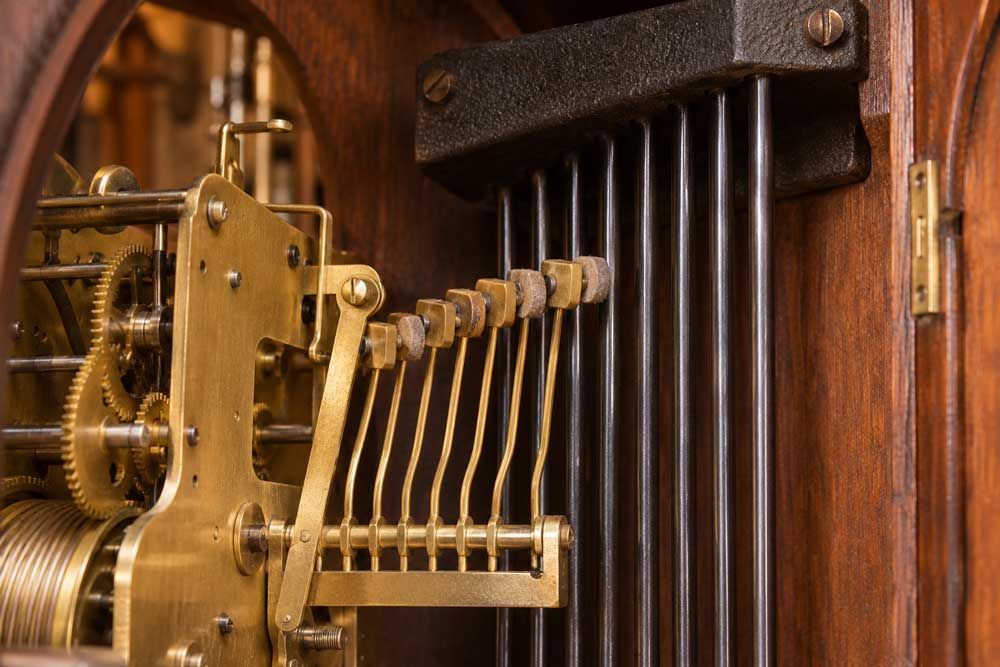
- Chime and Escapement: Listen to the beat of the pendulum, which should sound even and metronomic. The chime should ring cleanly, without hesitation or a muffled quality that suggests worn hammer tips or a misaligned chime rack.
- Maintenance Records: Ask directly whether the movement has received professional cleaning or restoration, and when. A timepiece with documented preservation history carries substantially less risk than one with a vague "it's been running fine" assurance.
How Do Professional Horologists Evaluate and Restore Pre-Owned Timepieces?
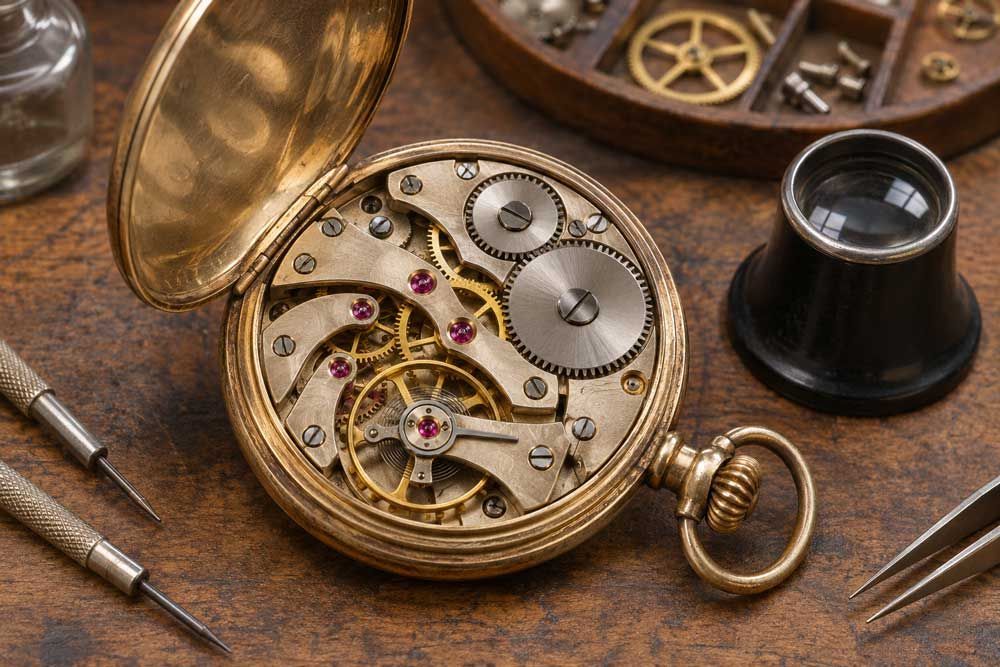
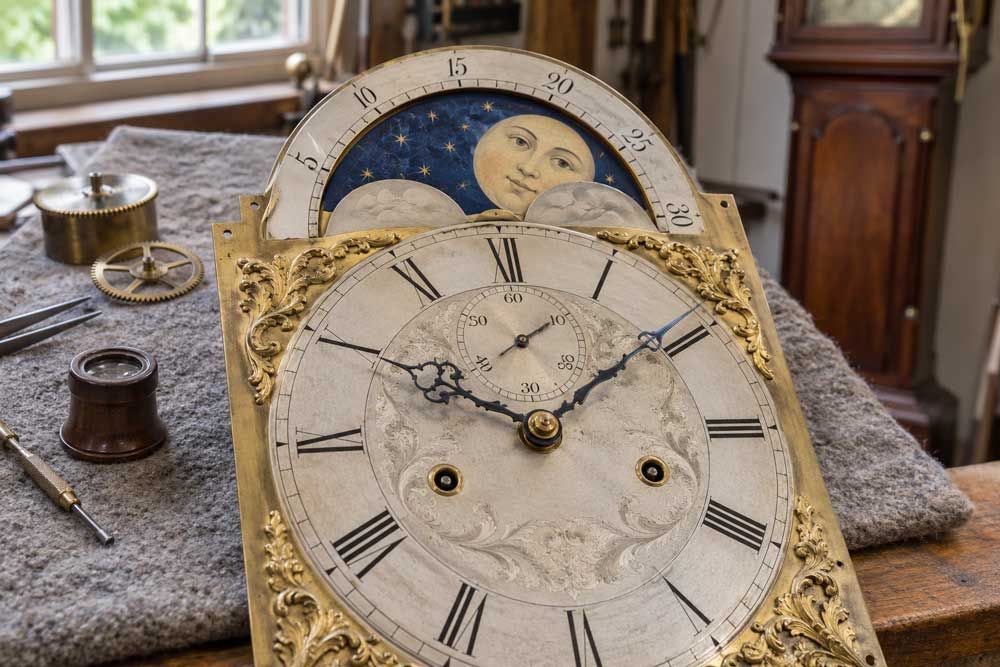
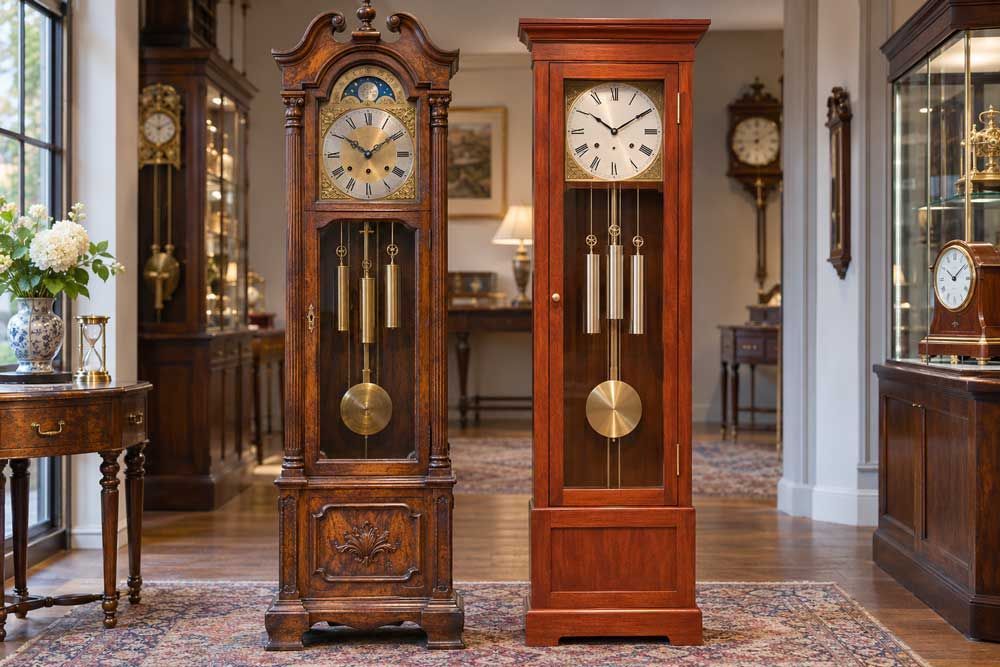
Restoring antique timepieces at a professional level involves completely disassembling the movement, cleaning each component, rebushing worn pivot holes, and carefully preserving the cabinet, returning the timepiece to modern operational precision while keeping its historic character intact. An antique grandfather clock undergoing this process emerges running as reliably as it did when first crafted.
The distinction between a timepiece that has been "cleaned" and one that has been genuinely reconditioned is profound. A surface cleaning addresses visible grime. A full horological restoration addresses the microscopic wear patterns inside the movement: the pivot holes that have elongated over decades of friction, the mainspring tension that has shifted, and the suspension spring that has fatigued. Each of these issues is invisible to a casual inspection and entirely addressable by an experienced horologist who knows where to look.
The most costly mechanical problems are almost always invisible to the untrained eye, making professional evaluation essential before a private purchase. Friction is silent. A movement that runs during a brief demonstration may be operating on borrowed time, held together by residual lubrication that will fail within weeks of arriving in your home. An experienced guardian of these timepieces can assess the true mechanical condition in a fraction of the time it would take a general antique dealer, and with a depth of understanding that no visual inspection alone can replicate.
Schedule a Professional Evaluation
If you are considering a private-party purchase or already have a pre-owned timepiece in your home that needs attention, our guardians can come to you. In-home grandfather timepiece restoration means a mobile horologist performs specialized diagnostics and restoration work right where the timepiece stands, protecting heavy, fragile timepieces from the transport damage that moving them unnecessarily can cause.
What Are the Mechanical Risks of Buying From Private Sellers?
Purchasing a pre-owned timepiece through a private sale introduces significant mechanical risks, including the complete absence of a warranty, hidden internal wear that is invisible during a brief viewing, and potential transport damage. Without professional verification, buyers often inherit costly restoration needs that far exceed the initial purchase price.
These risks represent distinct challenges for any prospective collector:
- No warranty or recourse exists if the movement stops running after the sale. Private transactions are typically final, leaving the buyer entirely responsible for whatever condition the timepiece was in.
- Hidden mechanical wear, such as dried lubrication, worn bushings, or a misaligned escapement, is often invisible during a brief viewing and may not manifest as a problem until weeks or months after the purchase.
- Transport damage is a genuine hazard with large grandfather clocks. Moving a tall-case timepiece without proper disassembly and packing can damage the movement, bend the pendulum rod, or crack the case in ways that are expensive to address.
Professional grandfather timepiece preservation tempers each of these risks in a direct and practical way. Our family has been serving the Chicago area since 1917, establishing four generations of custodianship that has produced a depth of diagnostic experience no generalist can replicate. When a master horologist evaluates a movement before or after a private purchase, the hidden wear patterns that would otherwise become costly surprises get addressed on the front end, and the buyer gains a clear, documented picture of what they own. That documentation also becomes part of the timepiece's maintenance history, which adds to its long-term value. Legacy requires documentation.
Frequently Asked Questions About Buying Pre-Owned Clocks
Acquiring a pre-owned timepiece is a rewarding journey when guided by historical knowledge and mechanical caution. Addressing common questions about reliability, maintenance, and structural value helps ensure your investment remains a source of pride and a beautifully preserved anchor for your home for generations.
Is a pre-owned timepiece as reliable as a brand-new timepiece?
A professionally reconditioned pre-owned timepiece can perform with the same operational reliability as a brand-new model. The essential variable is the reconditioning itself: a movement that has been fully disassembled, cleaned, rebushed, and properly lubricated by an experienced horologist is mechanically sound regardless of its age. Private-party sales carry more uncertainty because the reconditioning history is often unknown or undocumented. Buying from a reputable dealer who stands behind their restoration work eliminates that uncertainty and gives you a timepiece whose condition has been verified by someone accountable for it.
What makes an antique grandfather timepiece a good investment?
Antique grandfather clocks tend to hold their value well for two interconnected reasons: the quality of their materials and the durability of their mechanical movements. Solid hardwood cases, such as cherry, walnut, and mahogany, age gracefully and do not degrade the way synthetic materials do. The movements inside these timepieces were built to be preserved indefinitely, which means a well-maintained antique grandfather timepiece remains a functional, displayable object across generations rather than becoming a decorative relic. Historically significant or regionally distinctive pieces may appreciate meaningfully over time, particularly as the supply of genuine antiques contracts and collector interest remains steady.
How often does a vintage wall timepiece require professional preservation?
The general guidance among horologists is that mechanical movements benefit from professional oiling roughly every three to five years, and a thorough cleaning, including full disassembly, ultrasonic or hand cleaning of components, and fresh lubrication throughout, every seven to ten years. Chicago's climate adds a layer of complexity to this schedule. The swing between humid summers and very dry winters stresses wooden cabinets and affects the viscosity of lubricants inside the movement. A vintage wall timepiece that sits near a heating vent or in a room with significant seasonal humidity variation may need attention toward the shorter end of those intervals. Monitoring the beat and chime quality between preservation appointments is the most practical early-warning system available to an owner.
Can a non-functional vintage mantel timepiece be fully restored?
Almost any vintage mantel timepiece or antique mantel timepiece can be returned to working condition by an experienced horologist, even when the movement appears completely non-functional. Seized pivots, broken mainsprings, and worn bushings are all addressable with the right tools and expertise. When original components are no longer available, a situation more common with obscure European movements or very early American shelf clocks, skilled horologists can fabricate replacement parts to specification. The cases on these timepieces are often in better condition than the movements, which means the restoration investment recovers both the mechanical function and the aesthetic integrity of the piece simultaneously.
What is the difference between a vintage timepiece and an antique timepiece?
The distinction rests on age thresholds that carry real consequences for appraisal and valuation. A vintage timepiece generally refers to a timepiece between 20 and 99 years old, which is old enough to carry period character but does not yet meet the century threshold. An antique timepiece is at least 100 years old, a classification that affects how dealers, auction houses, and appraisers assess and price the piece. In practical terms, a genuine antique typically commands a higher valuation, carries more documented provenance, and may qualify for different treatment under customs regulations if it crosses international borders. For buyers, understanding which category a timepiece falls into is the first step toward an accurate appraisal and evaluation.
Choosing a pre-owned mechanical timepiece over a new one is, when approached with proper diligence, one of the more defensible purchasing decisions a collector or home decorator can make. The craftsmanship embedded in a century-old antique timepiece, including the aged hardwoods, the hand-finished movement, and the resonant chime, represents a standard of fabrication that modern manufacturing has largely abandoned in favor of volume and margin. When you bring one of these timepieces into your home, you acquire a functioning artifact of a particular era of making, one that will continue to run for as long as it receives the custodianship it was designed to require.
The risks in this category are real but manageable. Diligence is key. A professionally reconditioned timepiece from a reputable dealer carries the mechanical confidence of a new purchase with the irreplaceable character of age. A private-party acquisition requires a professional evaluation before the sale closes, serving as a standard part of the process for anyone serious about what they are acquiring. Our family has been helping Chicago-area households make these decisions since 1917, and the guidance we offer has always been the same: buy the history, protect the movement, and the investment takes care of itself across generations.
Visit Chicago Clock Company
Our guardians are ready to help you find, evaluate, or restore the timepiece that belongs in your home.
Downers Grove 431 Ogden Avenue Phone: 630-986-9210 Mon-Fri: 10 am - 6 pm | Sat10 amam5 pm5pm
Orland Park: 14486 LaGrange Road Phone: 708-349-2565 Mon-Fri: 10 am - 6 pm | Sat: 10 am - 5 pm
Palatine: 1615 North Rand Road Phone: 847-359-5805 Mon-Fri: 10 am- 6 pm | Sat: 10 am - 5 pm
Delivery is available for grandfather clocks at $125 and standard timepieces at $25. Walk-ins are welcome for estimates, or call your nearest location to schedule an in-home appointment.