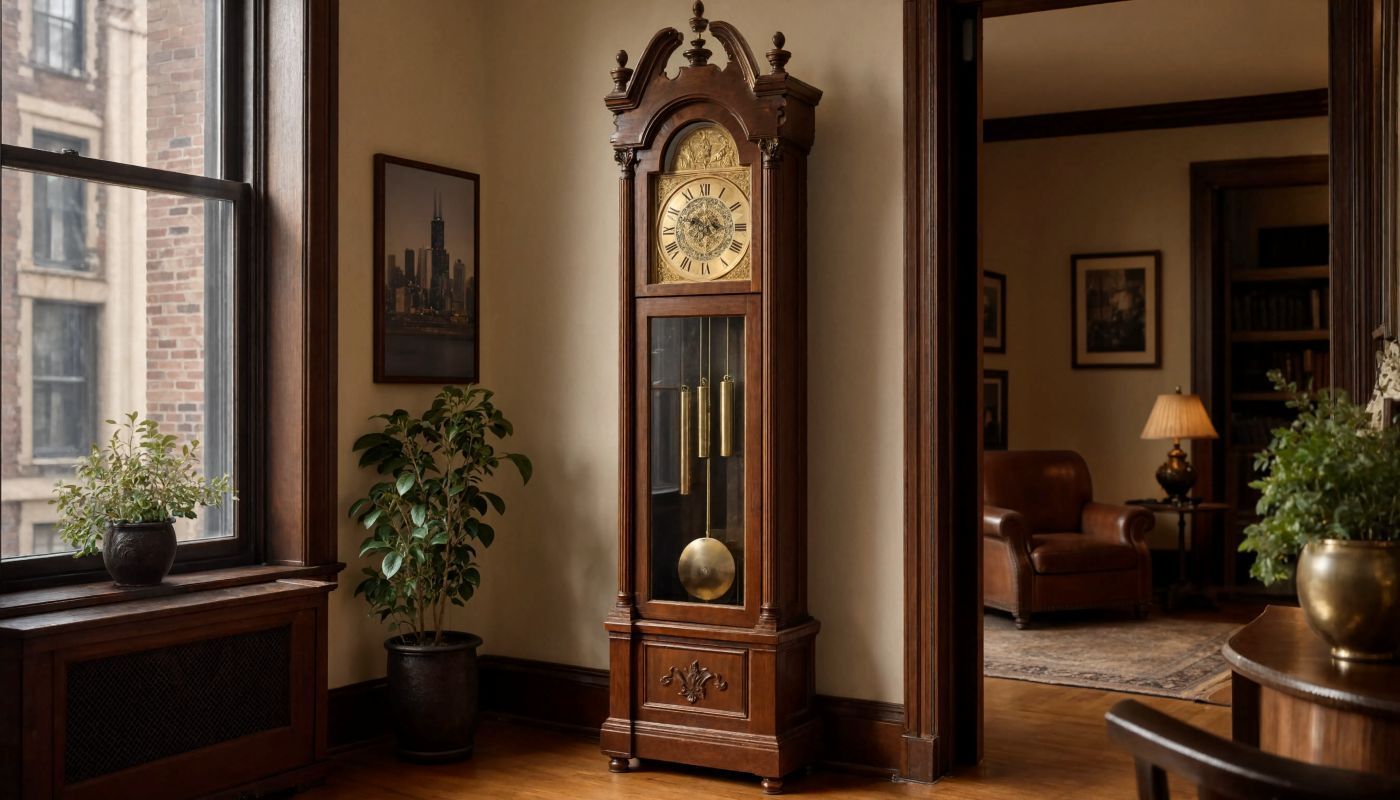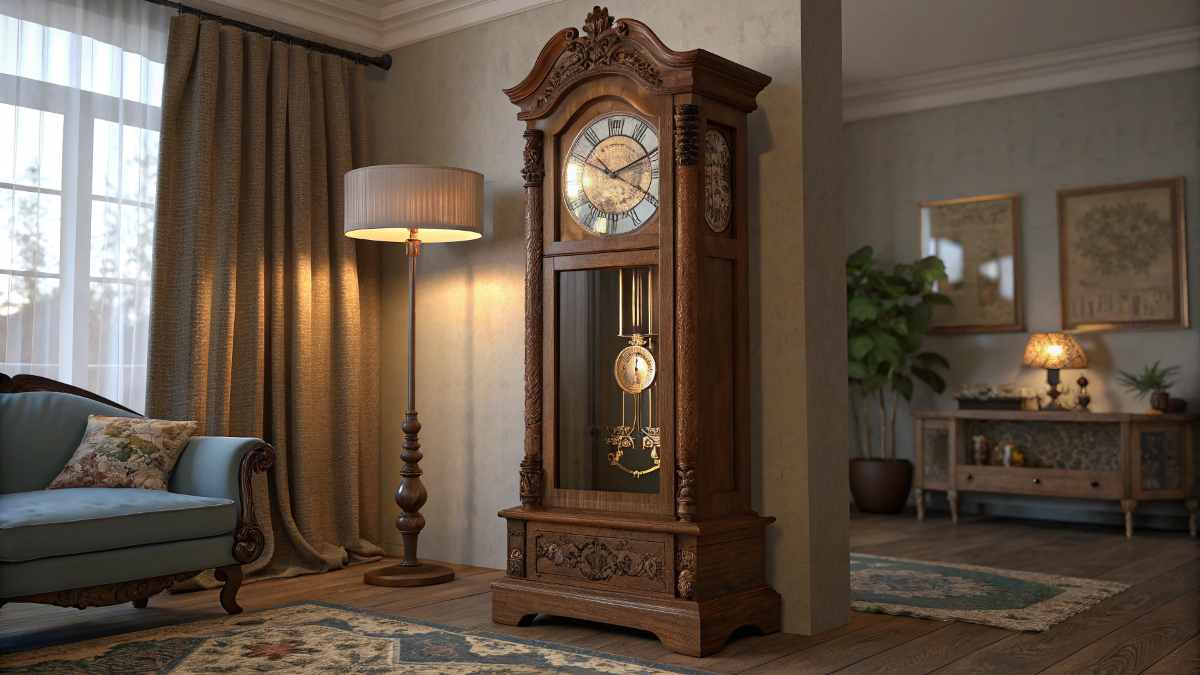
Is Hermle a Good Clock Brand? An Inside-the-Case Review from Master Horologists
When a family heirloom falls silent, it feels as though a piece of your personal history has gone quiet with it. You worry that if it stops, you might lose that physical connection to a grandfather or mother, because a treasured timepiece is always more than just a clock. When you encounter the name Hermle on a dial or engraved into the back plate of a movement, you are looking at one of the most respected names in traditional German clockmaking, a brand that has earned its reputation through the accumulated trust of master horologists, restorers, and collectors across multiple generations. So, is Hermle a good clock brand? In our experience, working with mechanical timepieces since 1917, the answer is an absolute yes. It is a conclusion built on the quiet nuance that only comes from opening thousands of cases over more than a century of practice in our family workshop.
Hermle occupies an unusual position in the world of horology. They build everything. While most companies design the outer wooden case and source the mechanical heart from a specialist manufacturer, Hermle does both. In doing so, the workshop supplies the movements that power many of the finest home timepieces sold under other well-known names. Understanding that distinction changes how you evaluate any heirloom with a Hermle movement inside it, whether the dial bears the Hermle name or another mark entirely.
The Heritage of German Clock Manufacturing and the Story of Hermle
Germany's Black Forest region became the cradle of precision mechanical clockmaking through centuries of accumulated craft knowledge. Long winters and a tradition of skilled woodworking gave rise to workshops that gradually refined the art of gear-cutting, escapement design, and chime-rod tuning into a precise science. The horological culture that emerged from that region set the standard for mechanical timekeeping that the rest of the world has spent generations trying to mirror. Whether Hermle is a good brand becomes clear when you understand that it grew from this tradition, a twentieth-century German legacy with roots in that same culture of precision and permanence.
That heritage is something we understand intimately at Chicago Clock Company. Our own history of Chicago Clock Company stretches back to 1917, meaning we have been restoring, preserving, and caring for German mechanical movements through most of the same decades that Hermle was refining its craft. Four generations of our family have opened Hermle movements on the workbench. We know their work. The consistency of what we find inside, including the quality of the plates, the finish on the pivots, and the geometry of the gear train, has never wavered. It simply confirms what their reputation suggests.
Hermle's primary manufacturing is centered in Gosheim, Germany, a town in the Swabian Alb region that has become synonymous with precision engineering. Gosheim is the birthplace of Hermle's precision engineering, and the movements produced there are shipped to master horologists and finished-timepiece manufacturers around the world. This detail reshapes how many buyers think about the market. Hermle functions simultaneously as a finished-timepiece brand and as the movement supplier behind a significant portion of the premium home timepiece industry. When you acquire a timepiece from another respected name and find a Hermle movement inside, it represents a deliberate choice by that manufacturer to use the finest available mechanical heart.
Are Hermle Clocks High Quality? An Inside Look at Movement Reliability
The reliability of a Hermle movement is the reason master horologists seek them out rather than dread them. The architecture is traditional in the best sense, featuring thick brass plates that provide a stable, warp-resistant foundation for the gear train, hardened steel pivots that run in brass bushings with minimal friction, and a mechanical layout that a master horologist can fully disassemble, clean, re-oil, and reassemble without proprietary tools or discontinued components. That last point matters more than most buyers realize. A movement designed to be serviced is a movement designed to last indefinitely, carrying your family's history for a century or more with proper care.
The specific metal alloys used in Hermle's plates and the precise tolerances of their pivot finishing are details that fall into the category of trade knowledge, gathered over years of hands-on work rather than published specification sheets. What we can say with confidence, from direct observation, is that the wear patterns we see in Hermle movements that have gone decades without service are consistently less severe than what we encounter in movements of comparable age from lesser manufacturers. The brass holds up, the pivots stay round, and the click springs retain their tension. They endure. These details tell you a movement was built with longevity as a design priority, rather than a mere marketing claim.
- Meticulous Plate Design: Thick brass plates that resist warping and provide a stable foundation for the gear train over decades of constant operation.
- Polished Steel Pivots: Hardened steel pivots that minimize friction, ensuring a smooth, steady mechanical cadence and reducing wear on the brass bushings over time.
- Serviceable Architecture: Unlike disposable modern quartz movements, Hermle mechanical movements are designed to be completely disassembled, cleaned, re-oiled, and restored to factory condition.
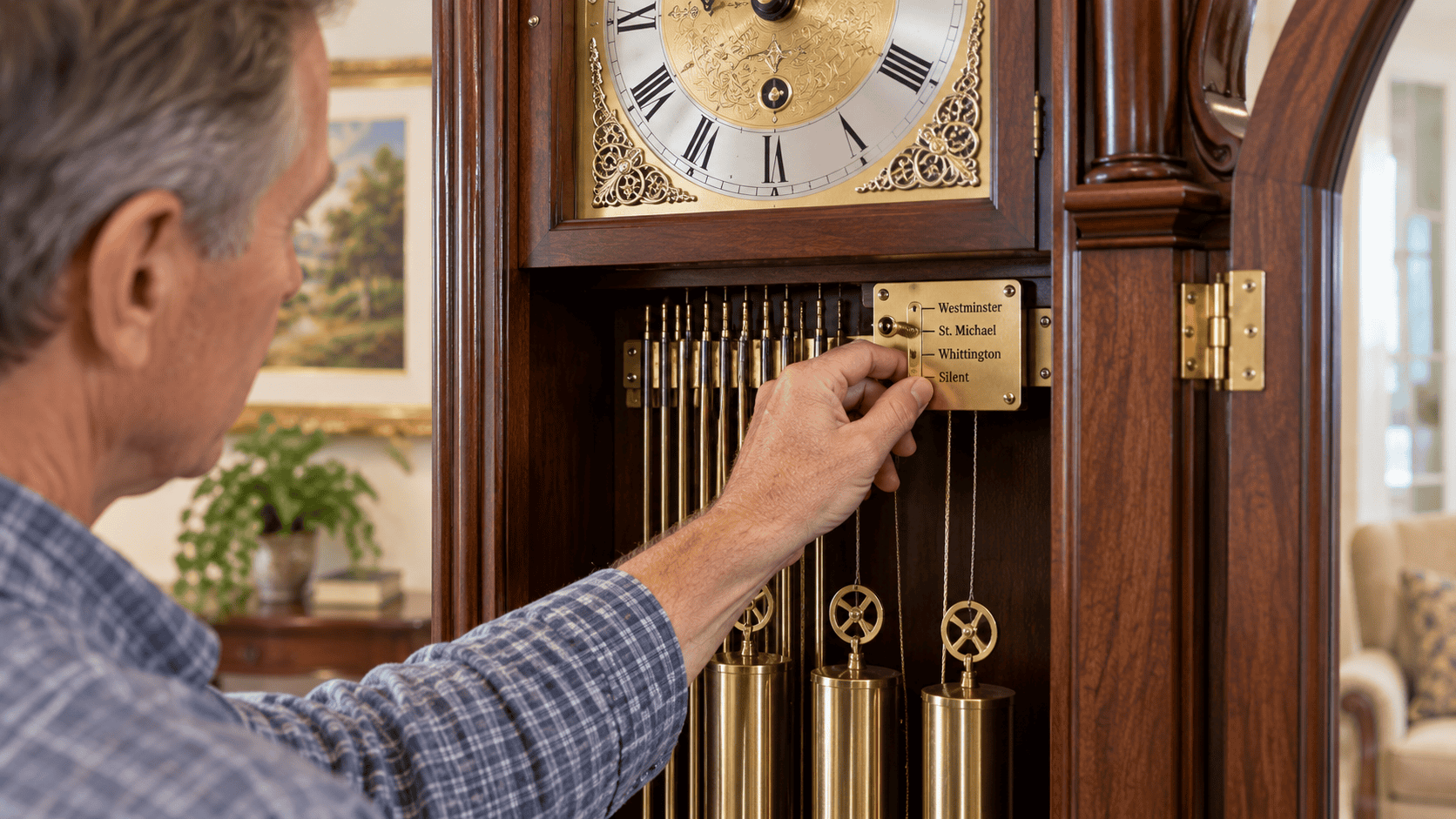
- Authentic chime rods, hand-tuned to produce the warm, resonant tones of Westminster, Whittington, or St. Michael chimes, creating a sensory presence in a home that no digital speaker can approximate.
If your family heirloom has lost its steady rhythm, let our fourth-generation workshop restore its gentle chime. Learn more about our professional clock restoration services and give your treasured timepiece the meticulous care it deserves.
Hermle vs Howard Miller Clocks: High-End Clock Brands Compared
When buyers compare Hermle and Howard Miller, they often treat the two brands as direct competitors, though the relationship between them is more cooperative than competitive. Howard Miller is an iconic American company celebrated for its furniture-grade cabinetry, characterized by the kind of joinery, veneer work, and finishing detail that makes an heirloom grandfather clock feel like a piece of fine furniture rather than just a timekeeping device. What Howard Miller has historically relied on, however, is sourcing premium mechanical movements from German manufacturers to provide the horological substance inside those beautiful cases. A Howard Miller clock often houses a Hermle mechanical movement, which means that when you are admiring the chime of a Howard Miller grandfather clock, you may well be listening to German engineering at work.
Rather than a criticism of Howard Miller, this division of labor reflects how the premium timepiece market operates. Designing world-class cabinetry and engineering world-class mechanical movements are two distinct disciplines. They require different skills. The most respected names in the industry have always understood that specialization produces better results than trying to do everything in-house. Hermle's focus on mechanical purity and traditional European styling means their finished timepieces tend toward the classically proportioned and the formally elegant. Howard Miller's broader catalog spans historic reproductions, transitional designs, and contemporary styles, giving buyers more flexibility to match a timepiece to a specific interior. The question of whether Hermle timepieces are worth the investment is really a question of what you prioritize. If pure German horological heritage and movement provenance matter most to you, Hermle's own finished timepieces are the clearest expression of that. If you want a wider range of cabinetry styles with the same quality of mechanical heart, a Howard Miller clock with a Hermle movement inside gives you both.
- Manufacturing Focus: Hermle manufactures both the mechanical movements and the finished clocks in-house; Howard Miller focuses primarily on cabinetry design and sources premium movements from specialist manufacturers.
- Aesthetic Styling: Hermle leans toward traditional, classic European proportions; Howard Miller offers a vast catalog ranging from historic reproductions to mid-century modern designs.
- Movement Options: Hermle is celebrated for its traditional mechanical wind-up movements; Howard Miller offers both high-end mechanical movements and low-maintenance quartz options for buyers who prefer the convenience.
- Both brands represent strong long-term investments that hold their value well when maintained with consistent professional care.
Selecting the Perfect Timepiece for Your Home
Choosing between these premium brands is less about ranking one above the other and more about understanding what kind of relationship you want with your timepiece. A mechanical movement asks for a weekly winding ritual, offering a moment of measured attention that connects you physically to the heirloom. There is something satisfying about that interaction, a tactile reminder that the timepiece is a living mechanism, powered by a gentle swinging heart rather than a passive battery. Quartz movements, including the high-quality options available in many Howard Miller models, offer accurate, silent, maintenance-light timekeeping that suits households where the aesthetic matters more than the mechanical experience. The right timepiece is simply the one whose rhythms fit naturally into your home and your daily life. It becomes part of you. For collectors who want heirloom-quality craftsmanship without the floor space an heirloom grandfather clock demands, a premium mantel clock offers an excellent entry point, delivering the same quality of movement and chime in a form that sits comfortably on a fireplace surround or a library shelf.
For readers looking to introduce a high-quality, American-designed timepiece with classic chimes into their home, the Howard Miller Salem 635-226 mantel timepiece offers a beautiful cherry finish and a reliable Westminster chime movement, providing a warm, traditional heartbeat for any room.
Stewardship and Maintenance: Caring for Your Hermle Clock
Owning a mechanical timepiece is a form of custodianship. It requires commitment. The movement inside will outlast its current owner if it receives the care it needs at the times it requires.
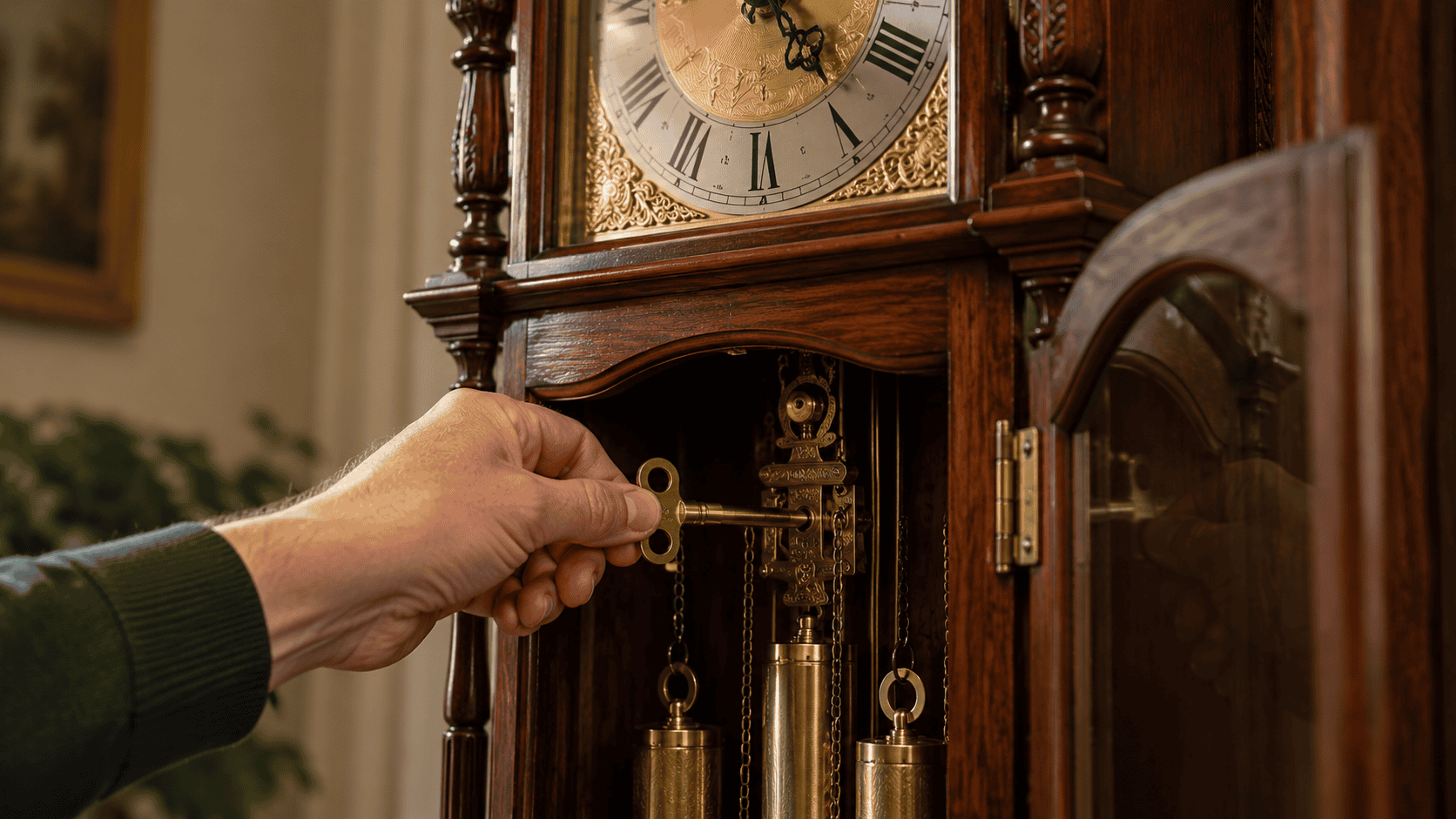
- Regular Winding: Wind your mechanical timepiece consistently, typically once every seven days, to maintain the coiled energy that keeps time flowing like breath.
- Proper Placement: Keep your timepiece away from direct sunlight, drafty windows, and high-humidity environments to protect the wooden cabinetry and slow the evaporation of lubricating oils.
- Professional Oiling: Entrust your timepiece to a master horologist for the careful oiling that keeps generational memories alive and minimizes friction on the plates and bushings every three to five years.
- Periodic Overhauls: Schedule a complete mechanical overhaul every ten to fifteen years to dissolve old, gummy lubricants and restore the movement to the condition it was designed to run in.
The single most significant decision a mechanical timepiece owner makes is whether they commit to a preservation schedule. Knowing when to service your mechanical clock is the difference between a simple oiling appointment and an expensive pivot repair caused by years of running dry. Routine maintenance is an investment in preservation, and the cost of neglect compounds in a mechanical movement the same way deferred maintenance compounds in any precision machine. A Hermle movement that has been properly cared for across its life will run with the same accuracy and the same resonant chime as the day it left Gosheim. This is what we see on our workbench every day when a well-maintained heirloom comes in for its scheduled care.
Frequently Asked Questions About Hermle Clocks
How much is a Hermle timepiece worth?
The value of a Hermle timepiece varies widely depending on the model, age, condition, and type. Basic vintage quartz models can be found for around $100, while high-end mechanical grandfather clocks featuring intricate wood carvings, triple-chime movements, and limited-edition case work can reach several thousand dollars. Condition and service history matter considerably, as a well-maintained Hermle movement adds meaningful value to any appraisal.
Who is considered the best timepiece manufacturer?
This depends heavily on the category. In the realm of ultra-high-end watchmaking, names like Patek Philippe, A. Lange & Söhne, and Jaeger-LeCoultre occupy the top tier. For traditional home clocks and mechanical movements specifically, Hermle and Kieninger are globally recognized as the leading names in German clockmaking, the manufacturers that other respected brands turn to when they want a movement worth building around.
What are the best brands of German timepieces?
Germany's Black Forest and Swabian Alb regions have produced some of the world's most respected horological names. Hermle and Kieninger lead the field for mechanical home clock movements. Erwin Sattler is celebrated for precision floor clocks of exceptional refinement. AMS produces a broad range of decorative and functional timepieces, and the Schwarzwälder tradition lives on through Black Forest cuckoo clock makers such as Hönes, whose hand-carved cases remain a benchmark for that particular craft.
What timepiece is Germany famous for producing?
The cuckoo clock is the timepiece most closely associated with German craftsmanship in the popular imagination. Originating in the Black Forest region during the 18th century, the traditional mechanical cuckoo clock, with its hand-carved wooden case, bellows-driven bird call, and weight-driven movement, became a global symbol of German horological ingenuity. The tradition continues today, though the broader German clock industry has long since expanded well beyond that single iconic form.
What is the most famous timepiece in Germany?
The Glockenspiel in the tower of Munich's Neues Rathaus, overlooking the Marienplatz, is widely considered the most famous clock in Germany. This monumental mechanical timepiece features multiple tiers of life-sized figures that perform traditional dances and historical re-enactments at set hours each day, drawing visitors from around the world. It is a reminder that German clockmaking has always operated at every scale, from the intimate precision of a mantel movement to the theatrical grandeur of a civic monument.
Contact Us Today
A Hermle timepiece, whether passed down through generations or newly acquired, carries something that a quartz movement purchased from a big-box retailer simply cannot duplicate: the accumulated craft knowledge of a tradition that has been refining the same fundamental mechanisms for generations. The gentle resistance of a mainspring under your key, the measured cadence of a well-regulated escapement, and the warm overtones of a hand-tuned chime rod resonating through a wooden case are experiences that connect the present moment to a long lineage of careful, deliberate making. For families who have inherited a Hermle timepiece, that connection runs even deeper. The timepiece itself has already been part of someone else's daily life, marking the hours of meals, conversations, and quiet evenings that are now part of your own family's history. It is more than just a clock; it is a vessel of memory. We must protect it.
At Chicago Clock Company, we have been the guardians of Chicagoland's timepieces for over a century. Every timepiece that enters our workshop, whether it is a Hermle heirloom grandfather clock that has been silent for too long or a Howard Miller mantel timepiece in need of its first preservation, receives the same meticulous attention. These objects matter, and we are here for those who understand that they are taking care of them the right way.
If your family heirloom has fallen silent, we would be honored to listen to its story and help bring it back to life. Contact our family workshop today to schedule our professional clock repair services and keep the heartbeat of your home ticking beautifully for the next generation.