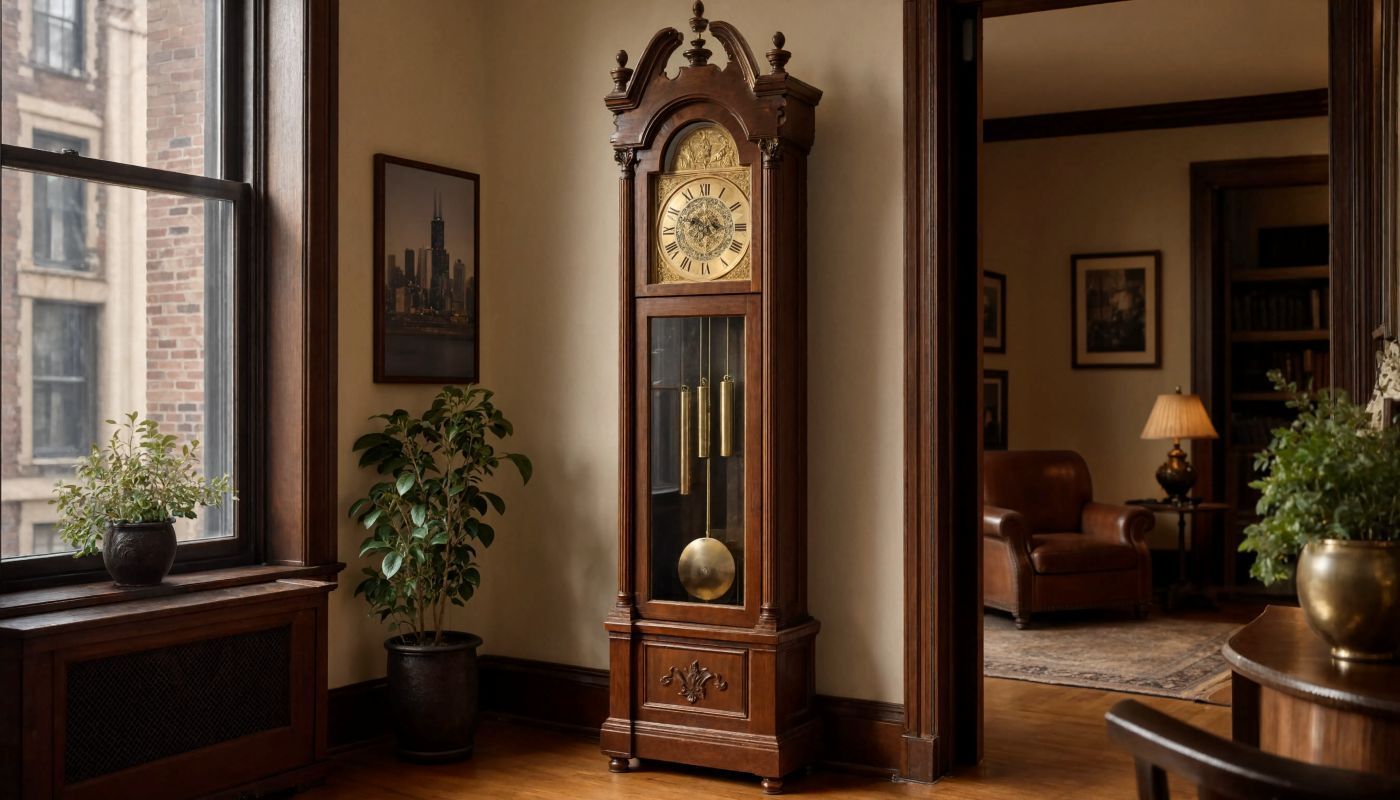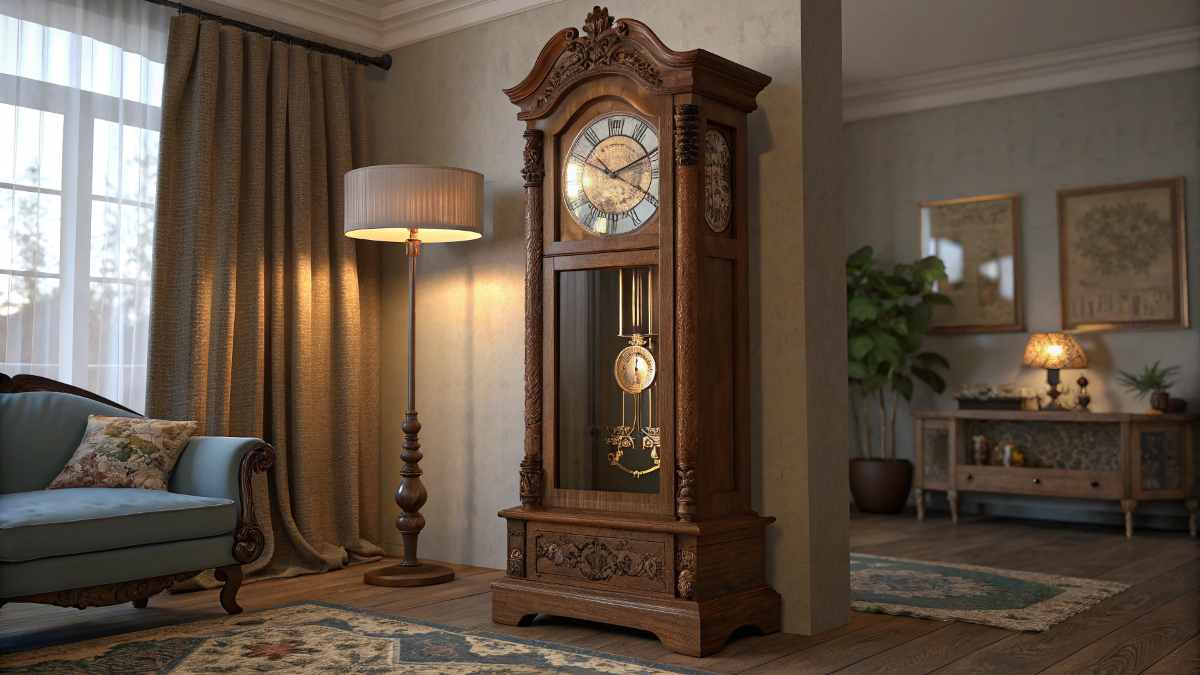
How to Wind a Grandfather Clock the Right Way
Learning how to wind a grandfather clock correctly is one of the most important parts of keeping a traditional mechanical clock running accurately and reliably. Grandfather clocks are more than functional timepieces, as they are often heirlooms, decorative focal points, and examples of intricate mechanical craftsmanship. Because their movements rely on weights, chains, cables, and carefully balanced components, proper winding matters. Fortunately, winding a grandfather clock is usually a straightforward process once you understand how your particular clock operates.
Whether you recently inherited a grandfather clock, purchased one for your home, or simply want to make sure you are maintaining your clock properly, understanding the winding process can help protect the movement and keep the clock running smoothly. The key is to wind it consistently, use the correct technique, and avoid forcing any component that does not move easily. A little patience during the winding process can help prevent unnecessary wear. It can also allow you to notice early signs that your clock may need adjustment or professional service.
Why Grandfather Clocks Need to Be Wound
Unlike battery-powered or electric clocks, traditional grandfather clocks typically rely on mechanical energy stored through suspended weights. As the clock operates, gravity gradually pulls the weights downward, supplying the power needed to keep the movement running. That energy can drive the clock's timekeeping mechanism, pendulum, hourly strike, and musical or quarter-hour chimes, depending on the model. Once the weights reach the bottom of their travel, the clock can no longer continue operating until they are raised again.
Winding the clock raises the weights and restores the energy needed to keep everything moving. Most traditional grandfather clocks are designed to run for approximately seven or eight days before needing to be wound again. For that reason, many owners choose one day each week as their regular winding day. Following a consistent schedule makes maintenance easier and reduces the chance of accidentally letting the clock stop.
Understand Your Grandfather Clock Before Winding It
Before you begin winding, take a moment to determine what type of winding mechanism your grandfather clock uses. The two most common systems are chain-driven and cable-driven movements, and each requires a slightly different approach. Knowing which type you have helps you use the correct technique and avoid placing unnecessary stress on the clock. If you are uncertain about the mechanism, look at the weights and clock face before attempting to wind it.
Chain-Driven Grandfather Clocks
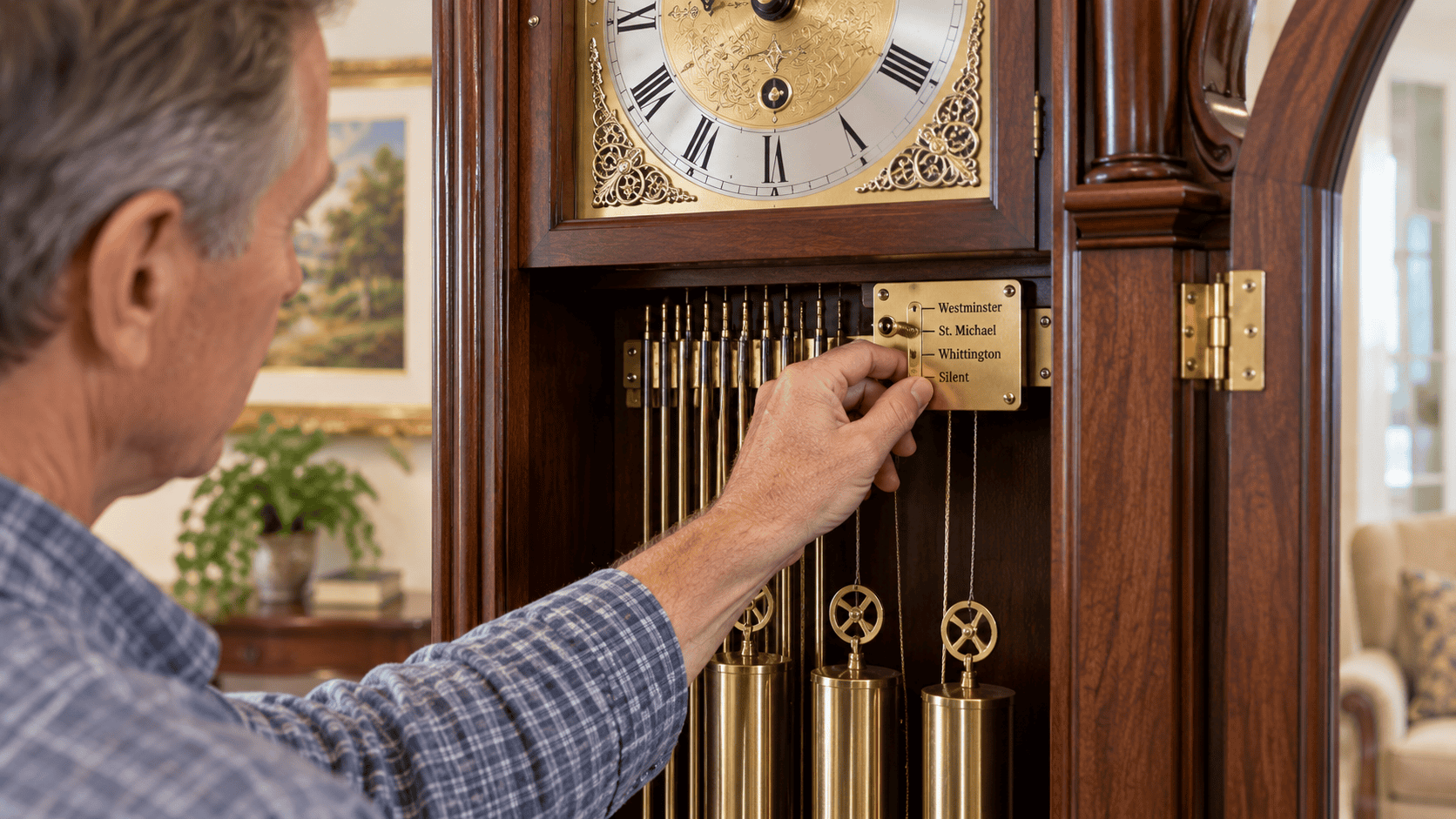
Chain-driven grandfather clocks typically have long chains hanging alongside the weights. To wind this type of clock, you pull down on the free end of each chain, which causes the corresponding weight to rise. These clocks are often relatively easy to wind because you can see the movement of the chains and weights as you work. The most important thing is to pull slowly and steadily rather than tugging or jerking the chain.
Cable-Driven Grandfather Clocks
Cable-driven grandfather clocks usually have winding holes located on the clock face. A winding crank or key is inserted into these openings and turned to raise the weights through an internal cable system. Because the winding mechanism is connected directly to internal components, it is important to use the correct crank or key for the clock. Never substitute pliers, screwdrivers, or other improvised tools, as they can damage the winding arbor or scratch the clock face.
What Do the Three Weights Do?
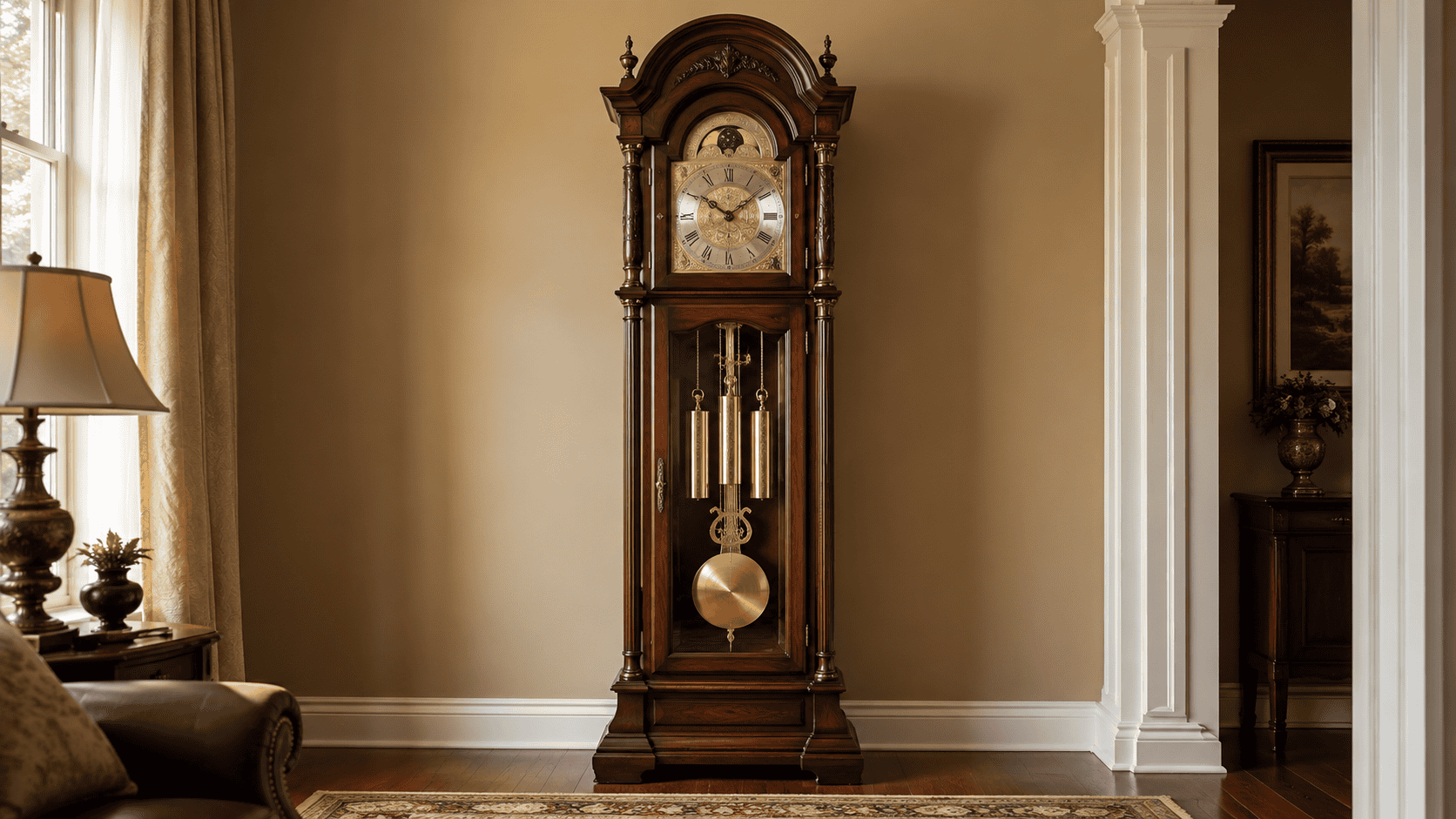
Many grandfather clocks have three weights, although some models may use a different configuration. Each weight generally powers a separate function of the clock, which is why the weights may differ in size and weight. One may power the timekeeping mechanism, another may operate the hourly strike, and the third may power the musical or quarter-hour chimes. This separation allows the clock to continue keeping time even if one of the other functions is not operating correctly.
Common functions powered by the weights include:
- The clock's timekeeping mechanism
- The hourly strike
- The musical or quarter-hour chime mechanism
If you ever remove the weights for transportation, cleaning, or maintenance, make sure they are returned to their correct positions. Some weights may be labeled "left," "center," and "right," making reinstallation easier. If they are not labeled and you are unsure where they belong, it is better to consult a professional clock technician rather than guess. Installing weights incorrectly can cause performance problems or place unnecessary strain on the movement.
How to Wind a Chain-Driven Grandfather Clock
Winding a chain-driven grandfather clock is relatively simple once you understand which end of each chain to pull. The goal is to raise each weight smoothly without allowing it to strike the movement at the top of the case. You should be able to see the weight rise as you pull the chain downward. Work carefully and complete one chain at a time so you can monitor each weight.
Step 1: Open the Clock Case
Open the front door of the grandfather clock so you can clearly see the chains, weights, and pendulum. Make sure nothing inside the case is interfering with the movement of these components. Clothing, decorative objects, or items stored inside the clock case should be moved out of the way. A clear view also makes it easier to stop winding before a weight rises too high.
Step 2: Identify the Free End of Each Chain
Each weight is connected to a chain, with one side supporting the weight and the other side hanging freely. The free side is the end you will pull downward to raise the weight. Before pulling, confirm that the chain is not twisted, kinked, or caught on anything inside the case. If something looks unusual, correct the problem before continuing rather than pulling harder.
Step 3: Pull the Chain Slowly
Use a slow, steady motion while pulling down on the free end of the chain. As you pull, watch the corresponding weight rise inside the case. Avoid quick jerks or aggressive pulling, which can place unnecessary stress on the chain and movement. Smooth, controlled motion is easier on the mechanism and gives you better control over the final position of the weight.
Step 4: Stop Before the Weight Reaches the Top
Raise the weight until it is near the top of the clock case, but do not force it against the movement. There should generally be a small amount of space remaining above the weight once winding is complete. If the chain suddenly becomes difficult to pull, stop rather than applying more force. Strong resistance may mean the weight is already fully raised or that the mechanism requires attention.
Step 5: Repeat for the Remaining Weights
Repeat the same process for each remaining chain until all of the weights have been raised. Once finished, check that the chains are hanging properly and have not become twisted or tangled. The weights should also be able to descend freely without rubbing against the clock case or one another. If everything looks normal, your clock should be ready to continue operating.
How to Wind a Cable-Driven Grandfather Clock
Cable-driven clocks require a winding crank or key rather than exposed chains. The crank engages with winding points on the clock face and raises each weight through an internal cable system. Because these components are more concealed, paying attention to resistance is particularly important. Never force the crank if it does not turn easily.
Step 1: Locate the Winding Holes
Most cable-driven grandfather clocks have winding holes positioned on the clock dial. There may be two or three holes depending on the movement and the clock's available features. Each winding point usually corresponds to one of the weights below. Before starting, make sure you have the correct crank and that it fits the opening properly.
Step 2: Insert the Correct Crank
Carefully insert the winding crank into the first winding hole and make sure it is seated securely. A properly fitting crank should engage without excessive force or wobbling. Using a poorly fitting tool can damage the winding arbor and make future winding more difficult. If the crank does not fit correctly, do not try to force it into place.
Step 3: Turn the Crank Slowly
Begin turning the crank in the direction that raises the corresponding weight. The correct direction may vary from one clock movement to another, so do not assume every grandfather clock winds in exactly the same direction. You should feel controlled mechanical resistance as the weight rises. If you immediately encounter strong resistance or the weight does not move, stop and verify that you are turning the crank correctly.
Step 4: Watch the Weight as You Wind
Keep an eye on the weight while turning the crank so you can see how close it is getting to the top of the case. Continue winding until the weight approaches its upper position, then stop before it is tightly pressed against the mechanism. Watching the weight is more reliable than simply counting crank rotations. It also helps prevent accidental overwinding through excessive force.
Step 5: Wind Each Remaining Position
Move the crank to the next winding hole and repeat the process until all of the weights have been raised. Once finished, carefully remove the crank and store it somewhere safe. Many clock owners keep the crank inside the lower cabinet of the clock so it is always available on winding day. Just make sure it cannot interfere with the pendulum or weights.
How Often Should You Wind a Grandfather Clock?
Many grandfather clocks use an eight-day movement, which means they are designed to operate for roughly one week between windings. Winding the clock once every seven days is generally a practical routine because it prevents the weights from reaching the bottom unexpectedly. Choosing a regular day, such as every Sunday morning or Saturday evening, makes the task easier to remember. Your clock's manufacturer's instructions should always take priority if they recommend a different schedule.
A regular winding routine also gives you a chance to observe the clock's condition. You may notice that one weight is descending faster than expected, a chain is beginning to twist, or the clock is no longer keeping accurate time. Catching small changes early can help you address a developing maintenance issue before it becomes more serious. Regular winding is therefore both a power source and a useful maintenance check.
Benefits of a consistent winding schedule include:
- Reducing the likelihood that the clock will stop unexpectedly
- Keeping the weights within their normal operating range
- Making it easier to notice changes in performance
- Helping establish a simple maintenance routine
Can You Overwind a Grandfather Clock?
The term "overwinding" is frequently used when discussing mechanical clocks, but the problem is often misunderstood. In many cases, a properly functioning grandfather clock cannot simply be wound past its intended stopping point during normal winding. However, that does not mean you should continue turning a crank or pulling a chain after the mechanism reaches its natural limit. Excessive force can damage gears, cables, chains, winding arbors, or other internal components.
The safest rule is simple: when the mechanism reaches its natural stopping point, stop winding. If something suddenly feels unusually tight, do not assume that extra force will solve the problem. Resistance may indicate that the weight is fully raised or that a component is binding. When in doubt, professional inspection is safer than trying to force the movement.
Should You Stop the Pendulum Before Winding?
In most cases, you do not need to stop the pendulum before winding a grandfather clock. The clock can generally continue operating while you raise the weights, which makes weekly winding quick and convenient. You should, however, work carefully around the pendulum and avoid bumping or grabbing it. Clothing, jewelry, or loose objects should also be kept away from the moving parts inside the case.
Moving the entire clock is a different situation and requires more preparation. If a grandfather clock must be relocated, the pendulum and weights should generally be secured or removed first. Leaving them in place can allow heavy components to swing and damage the movement or case during transportation. If you are unfamiliar with moving a mechanical clock, professional assistance may be worthwhile.
Common Grandfather Clock Winding Mistakes
Proper winding is easy once you develop a routine, but several common mistakes can create unnecessary problems. Most of these issues come from using too much force, moving components too quickly, or overlooking the position of the weights. Taking a few extra seconds to observe the mechanism can prevent many avoidable problems. A grandfather clock should never require aggressive handling during routine winding.
Common winding mistakes include:
- Pulling chains too quickly or aggressively
- Forcing a winding crank that has stopped turning
- Allowing weights to hit the movement
- Mixing up the weights after they have been removed
- Forgetting to wind one of the weights
- Using the wrong winding key or crank
If one weight is left low, certain functions may stop even though the clock itself continues running. For example, the timekeeping mechanism may continue operating while the chime no longer sounds. This is why it is important to check all of the weights during every winding session. A quick visual inspection before closing the case can prevent confusion later.
What If the Clock Does Not Run After Winding?
A grandfather clock that has been fully wound but will not run may need adjustment or professional service. Before assuming there is a serious mechanical problem, check that the pendulum can move freely and that the weights are installed correctly. You should also verify that the chains or cables are not tangled and that the clock case is stable. If the clock has recently been moved, its level or beat may have changed.
You can gently start the pendulum by moving it slightly to one side and releasing it, then listen carefully to the ticking. A properly adjusted grandfather clock should generally produce an even and consistent rhythm. If the ticking sounds noticeably uneven or the pendulum stops after a short period, the movement may be out of beat or require adjustment. Avoid repeatedly forcing components, as delicate gears, pivots, bushings, and other internal parts can be damaged by improper handling.
How to Help Your Grandfather Clock Last Longer
Proper winding is only one part of grandfather clock maintenance. These clocks contain intricate mechanical parts that can provide decades of service when they are treated carefully. Keeping the clock stable, clean, and properly maintained can help reduce unnecessary wear. It is also important to pay attention to changes in how the clock sounds or operates.
Simple maintenance habits include keeping the clock on a solid, stable surface and avoiding unnecessary movement. If the clock must be relocated, remove or secure the pendulum and weights before transportation. Dust around the case carefully, but avoid spraying household cleaners directly onto the clock movement. You should also avoid applying household oil, since mechanical clock movements require the correct lubricant in very specific locations.
Pay attention to warning signs that may indicate the clock needs service, including:
- Uneven ticking
- Frequent stopping
- Incorrect or inconsistent chiming
- Weights that do not descend normally
- Difficulty winding
- Grinding or unusual mechanical sounds
- Noticeable changes in timekeeping accuracy
Addressing small problems early can sometimes prevent a more complicated repair later. A clock that becomes harder to wind or begins making unusual sounds should not simply be forced to continue operating. Mechanical wear often develops gradually, so changes in performance deserve attention. Professional maintenance can help identify and correct issues before additional components are affected.
When Should a Grandfather Clock Be Professionally Serviced?
Grandfather clocks contain mechanical movements with numerous interacting parts that experience gradual wear over time. Lubricants can dry out, dust can accumulate, and pivots or bushings may eventually require attention. If your clock becomes difficult to wind, stops frequently, loses or gains significant time, or develops problems with its strike or chime functions, professional service is a smart next step. An experienced clock technician can inspect the movement and determine whether cleaning, lubrication, adjustment, or repair is necessary.
Professional inspection can also be useful for antique or inherited clocks when you do not know their maintenance history. Attempting major adjustments without understanding the movement can create additional problems. A technician can identify worn or damaged components and make sure the weights, pendulum, and movement are configured correctly. Proper professional care can help preserve both the function and long-term value of a grandfather clock.
Frequently Asked Questions
How often should I wind my grandfather clock?
Most traditional grandfather clocks with eight-day movements should be wound approximately once per week. Establishing a consistent weekly schedule can help prevent the clock from stopping unexpectedly. Always follow the manufacturer's instructions if they specify a different winding interval. Older or specialized clocks may operate differently.
Do I need to wind all three weights?
If your clock has three weights, you should typically raise all three during your regular winding routine. Each weight may power a different function, such as timekeeping, striking, or chiming. Leaving one weight unwound can cause that particular function to stop. Check all three positions whenever you wind the clock.
Can I wind a grandfather clock while it is running?
Yes, most grandfather clocks can be wound while they are running. There is generally no need to stop the pendulum during routine winding. Simply work carefully around the moving parts and avoid bumping the pendulum. If your clock's manufacturer provides different instructions, follow those recommendations.
Should grandfather clock weights be raised all the way?
The weights should be raised close to the top of their travel, but you should not force them tightly against the movement. Watch the weights as you wind so you can stop at the appropriate point. If you encounter sudden or unusual resistance, stop immediately. Applying more force can damage mechanical components.
Why won't my grandfather clock wind?
The weight may already be fully raised, or the winding mechanism may be jammed or experiencing another mechanical issue. A chain or cable could also be tangled or incorrectly positioned. Do not keep pulling or turning if you encounter strong resistance. Professional inspection is recommended if the cause is not obvious.
What happens if I forget to wind my grandfather clock?
The weights will eventually reach the bottom of their travel, and the clock will stop. In many cases, you can simply wind the clock again and restart the pendulum. You may also need to reset the time and chimes, depending on the model. Forgetting to wind the clock occasionally is usually not harmful by itself.
Why does my grandfather clock stop after I wind it?
Possible causes include an uneven clock case, an out-of-beat movement, incorrect weight placement, pendulum interference, or a mechanical problem. First, make sure the clock is stable, and the pendulum can swing freely. Listen for an even ticking rhythm after restarting it. If the clock continues to stop, it may need professional adjustment or repair.
Can I use any key to wind my grandfather clock?
No. Cable-driven clocks should be wound using the properly sized crank or key designed for the movement. Using an incorrect tool can damage the winding arbor or clock face. A crank that is too loose can slip, while one that is too tight may damage components. If you have lost the original key or crank, consult a clock professional for the correct replacement.
Why are my grandfather clock weights different sizes?
Different parts of the movement can require different amounts of power, which is why grandfather clock weights are often not identical. The heavier and lighter weights may be assigned to specific timekeeping, striking, or chiming functions. Their exact positions depend on the clock movement. If the weights have been removed and you are unsure where they belong, seek professional guidance before reinstalling them.
Should I repair a grandfather clock myself?
Routine owner tasks such as winding the clock and carefully restarting the pendulum are usually manageable. Internal movement repairs, cable replacement, lubrication, and major adjustments require more specialized knowledge. Grandfather clock mechanisms contain delicate parts that can be damaged through improper handling. For significant mechanical problems, professional clock repair is usually the safer choice.
Keep Your Grandfather Clock Running Beautifully With Chicago Clock Company
Learning how to wind your grandfather clock properly can help you enjoy its craftsmanship, sound, and character for many years. A consistent winding routine, gentle handling, and attention to unusual changes can go a long way toward protecting the movement. Even a well-maintained grandfather clock may eventually need professional cleaning, adjustment, or repair as mechanical components wear. Knowing when to call an experienced technician is an important part of responsible clock ownership.
When your clock needs more than routine winding, Chicago Clock Company is here to help. We offer expert clock repair, battery replacement, and clock sales for customers who want dependable service and knowledgeable assistance. Whether your grandfather clock has stopped running, is keeping inaccurate time, has developed a winding problem, or simply needs professional attention, our team can evaluate the issue and recommend the right solution. Get a free estimate while you wait and call us today for an appointment.