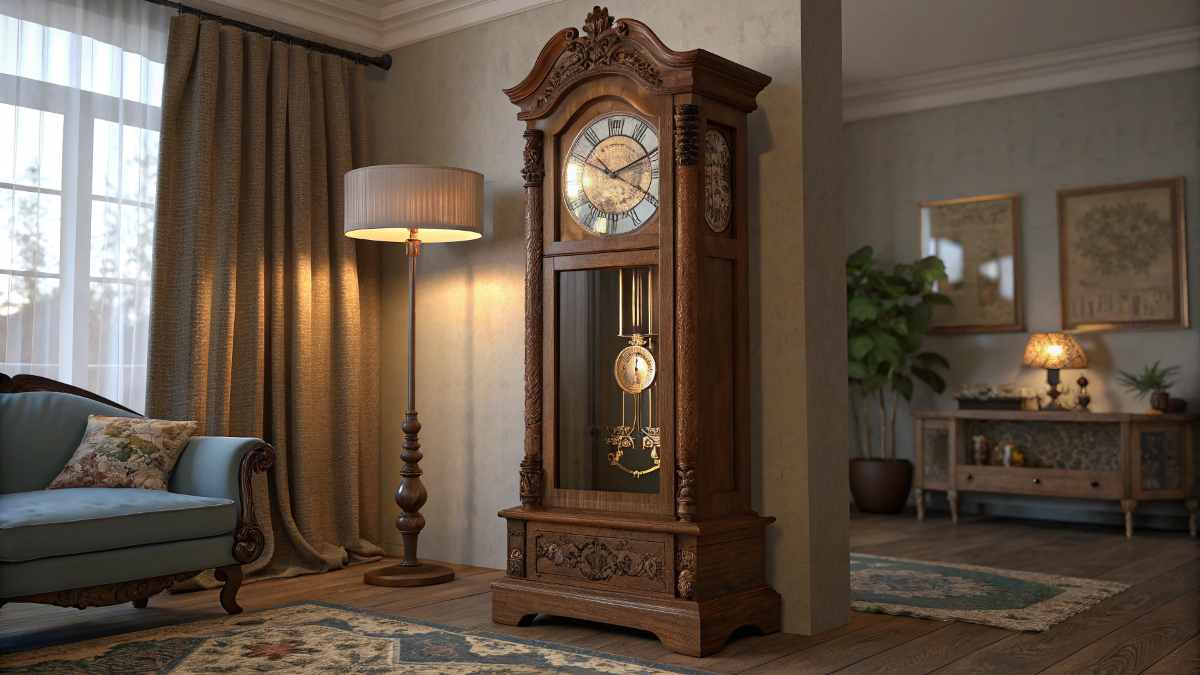
How Much Is My Antique Clock Worth? A Free Appraisal Checklist
If you have inherited an old clock, discovered one at an estate sale, or owned a family timepiece for years, you may eventually find yourself asking, how much is my antique clock worth? The answer depends on far more than the clock's age. Manufacturer, condition, rarity, materials, mechanical complexity, originality, provenance, and current collector demand can all influence its value. While a professional appraisal is the best way to establish an accurate market value, you can perform a preliminary evaluation at home by working through a few important details. This free appraisal checklist can help you identify the characteristics that may make your antique clock valuable and determine when it is time to consult an experienced clock professional.
What Qualifies as an Antique Clock?
Generally, an item is considered antique when it is at least 100 years old. However, age alone does not determine whether a clock is collectible or valuable. Some clocks made during the late 1800s were mass-produced in large quantities, while certain younger clocks were manufactured in limited numbers and may command higher prices today.
Clock collectors often evaluate several factors together, including:
- Age
- Manufacturer
- Model
- Country of origin
- Mechanical movement
- Case materials
- Design style
- Condition
- Original components
- Historical significance
A clock does not necessarily have to meet every one of these criteria to be valuable. In many cases, a combination of desirable features determines the final market price.
Free Antique Clock Appraisal Checklist
Before bringing your clock to a professional, take some time to examine it carefully. Avoid taking the movement apart or aggressively cleaning the clock. Instead, document what you can see without disturbing the mechanism.
1. Look for the Manufacturer's Name
The maker is one of the first details to identify when evaluating an antique clock.
Look carefully at the:
- Clock face
- Back plate
- Movement
- Interior of the case
- Paper label inside the case
- Bottom or back of the clock
- Pendulum
- Winding mechanism
You may find a company name, trademark, initials, serial number, or model number.
Manufacturers with strong reputations among collectors may command higher prices, especially when the clock represents an uncommon model or limited production period.
Avoid assuming that a recognizable manufacturer automatically makes a clock extremely valuable. Condition, rarity, originality, and demand remain important.
2. Estimate the Clock's Age
Determining the approximate manufacturing date can help narrow down its potential value.
Look for:
- Patent dates
- Serial numbers
- Manufacturer labels
- Handwritten dates
- Engraved dates
- Style characteristics
- Movement markings
Keep in mind that patent dates do not always indicate the exact year a clock was produced. A clock could have been manufactured several years after the patent was issued.
Construction techniques can also provide clues. Experienced clock professionals may examine materials, screws, movement design, case construction, dial styles, and other details to estimate when a clock was made.
3. Identify the Type of Clock
Different types of antique clocks attract different groups of collectors. Identifying the general category of your clock can help with preliminary research.
Common antique clock styles include:
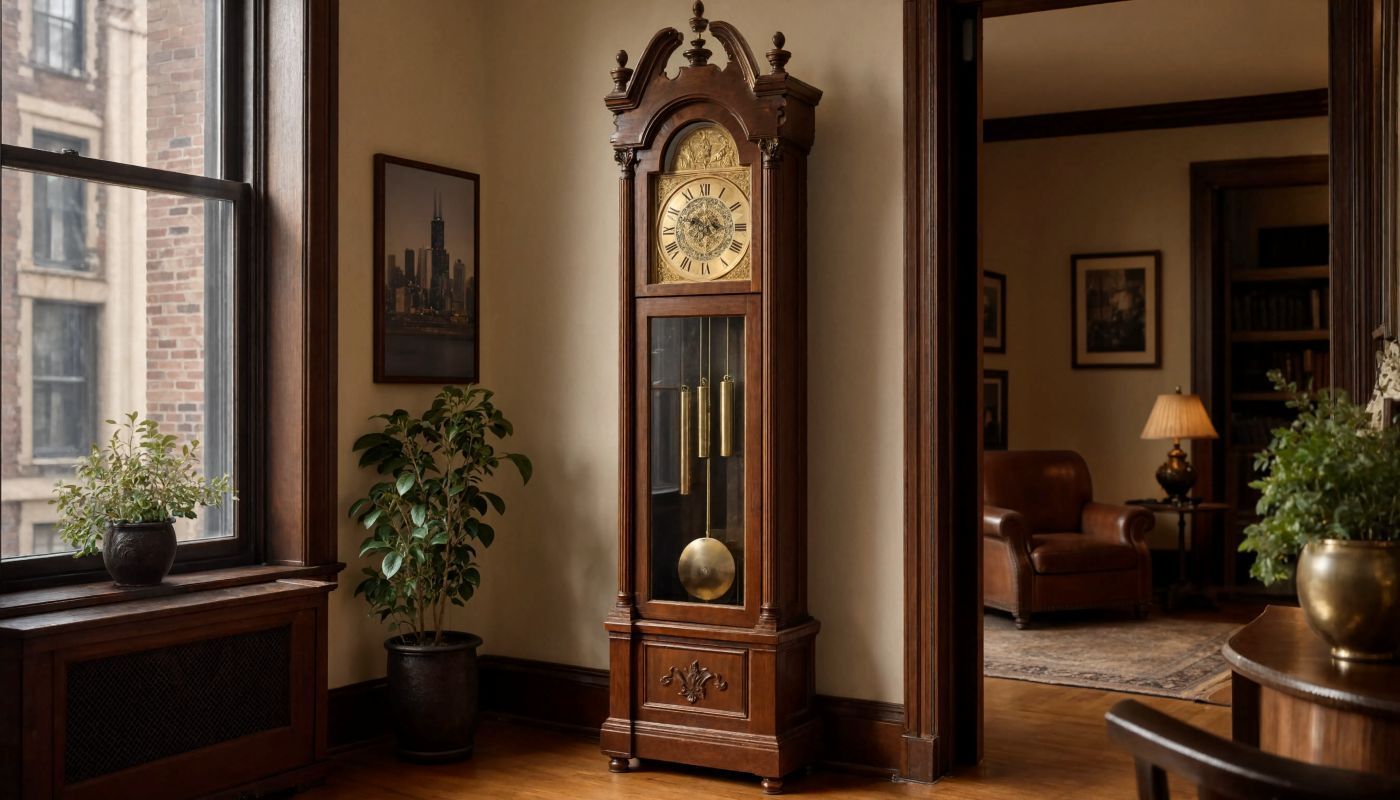
- Grandfather clocks
- Mantel clocks
- Wall clocks
- Regulator clocks
- Carriage clocks
- Cuckoo clocks
- Schoolhouse clocks
- Shelf clocks
- Anniversary clocks
- Bracket clocks
- Banjo clocks
- Table clocks
- Marine clocks
Certain clock categories may be more collectible depending on their origin, maker, age, design, and mechanical complexity.
4. Examine the Clock's Condition
Condition has a significant influence on antique clock value. Two nearly identical clocks may have substantially different market prices if one is well preserved and the other requires extensive restoration.
Examine the clock for:
- Cracks in the case
- Missing decorative elements
- Damaged glass
- Rust or corrosion
- Water damage
- Missing hands
- Damaged dials
- Loose hardware
- Broken hinges
- Missing pendulums
- Missing keys
- Nonfunctioning movements
Normal wear is expected on an antique. In fact, some signs of age can support authenticity. Severe deterioration, however, may reduce value.
A clock that does not run may still have significant value, especially if it is rare or historically important. Professional repair may also restore its functionality.
5. Determine Whether the Parts Are Original
Originality matters considerably in the antique market.
Over several decades or generations, clock components may have been replaced because of damage or wear. Common replacement parts include:
- Hands
- Dials
- Pendulums
- Glass
- Movement components
- Keys
- Decorative trim
- Finials
Some replacements are necessary to keep clocks operational. However, extensive modifications may affect collectible value.
Professionally performed repairs are generally preferable to improvised modifications because an experienced clock repair specialist understands how to preserve the integrity of the timepiece.
6. Evaluate the Clock Case
The case can contribute substantially to the overall value of an antique clock.
Clock cases may be constructed from:
- Mahogany
- Walnut
- Oak
- Cherry
- Rosewood
- Brass
- Bronze
- Porcelain
- Marble
- Onyx
- Enamel
- Other decorative materials
Decorative features such as carving, inlay, hand painting, gilding, marquetry, and intricate metalwork can also influence value.
Look carefully for evidence of repairs, refinishing, replacement pieces, or damage. A heavily refinished case may be less desirable to some collectors than a well-preserved original finish.
7. Inspect the Dial
The clock face can provide valuable information about its origin, manufacturer, and age.
Check for:
- Manufacturer names
- City names
- Signatures
- Serial numbers
- Decorative artwork
- Unusual numeral styles
- Subsidiary dials
- Moon phase displays
- Calendar displays
- Damage or restoration
Certain antique clock dials were hand-painted, engraved, enameled, or decorated with elaborate designs. These characteristics can sometimes increase collector interest.
8. Check the Mechanical Movement
The movement is the mechanical system responsible for keeping time and operating other clock functions.
Depending on the clock, the movement may include features such as:
- Time-only operation
- Hour striking
- Quarter-hour striking
- Chimes
- Calendar mechanisms
- Alarm functions
- Moon phase displays
- Musical mechanisms
- Automaton features
More mechanically complicated clocks can be highly desirable, although complexity alone does not guarantee higher value.
The condition of the movement also matters. A clock that has been professionally maintained may be more appealing than one with rust, missing components, or poorly executed repairs.
9. Look for Rare or Unusual Features
Rarity can dramatically affect antique clock value.
Features that may attract collector interest include:
- Limited production
- Unusual case designs
- Rare movements
- Complicated mechanisms
- Unique decorative features
- Discontinued models
- Historically important manufacturers
- Unusual materials
- Special commissions
- Exhibition or presentation clocks
A clock does not have to look elaborate to be rare. Sometimes, a seemingly simple clock may represent a scarce production variation that collectors actively seek.
10. Research the Clock's Provenance
Provenance refers to the history of ownership and documentation associated with an antique.
Useful documents may include:
- Original purchase receipts
- Family records
- Estate documents
- Letters
- Previous appraisal reports
- Photographs
- Repair receipts
- Manufacturer documentation
- Certificates
A documented connection to an important owner, historical event, institution, or location can sometimes increase a clock's collectible value.
Even when provenance does not significantly affect market price, documentation can help establish authenticity and ownership history.
11. Compare Recent Market Prices
One of the biggest mistakes people make when researching antique clock value is looking only at asking prices.
An online seller may list a clock for $5,000, but that does not necessarily mean another buyer will pay $5,000.
When researching comparable clocks, look for actual completed sales whenever possible.
Compare examples with similar:
- Manufacturers
- Models
- Ages
- Conditions
- Materials
- Sizes
- Movements
- Decorative features
Remember that antique markets fluctuate. A particular clock style may be highly desirable during one period and less popular several years later.
12. Do Not Clean or Restore the Clock Before an Evaluation
It can be tempting to polish metal, refinish wood, replace missing parts, or clean the dial before seeking an appraisal. In some situations, this can unintentionally reduce the clock's value.
Aggressive cleaning may remove:
- Original finishes
- Patina
- Manufacturer markings
- Decorative painting
- Historical evidence
- Protective coatings
Before performing significant cosmetic restoration, consult a professional who understands antique clocks.
Routine maintenance and proper mechanical repair are different from excessive restoration. A qualified clock repair professional can recommend appropriate work while preserving as much originality as possible.
What Makes an Antique Clock Valuable?
There is no single formula for determining value. Appraisers generally consider several characteristics together.
Manufacturer
Certain manufacturers have stronger reputations and collector followings.
Rarity
A scarce model may command a premium, particularly when relatively few examples survive.
Condition
Well-preserved clocks are usually more desirable than severely damaged examples.
Originality
Original cases, movements, dials, hands, and decorative components often increase collector appeal.
Mechanical Complexity
Clocks featuring complicated movements, calendars, chimes, alarms, or other mechanisms may attract specialized collectors.
Historical Importance
A clock associated with a significant manufacturer, owner, event, or period may carry additional interest.
Current Demand
Collector preferences change. Ultimately, market value depends on what buyers are willing to pay at a particular time.
Should I Repair My Antique Clock Before Selling It?
That depends on the clock and the type of repair required.
A professional mechanical repair may make a clock more desirable because buyers often prefer functioning examples. However, restoration should be approached carefully.
Avoid attempting complex repairs yourself. Antique clock movements contain delicate gears, springs, pivots, bushings, and other components that can easily be damaged.
Improper lubricants, excessive oil, household cleaners, incorrect replacement parts, and poorly executed adjustments can cause additional problems.
A professional clock specialist can evaluate the movement and explain which repairs are necessary.
Why Professional Clock Appraisal Matters
Online research can provide a general idea of value, but photographs and marketplace listings rarely tell the complete story.
A professional can examine details that may be difficult to recognize without specialized experience, including:
- Movement construction
- Manufacturer markings
- Replacement components
- Previous repairs
- Case restoration
- Mechanical condition
- Authenticity
- Approximate age
- Model variations
Professional examination becomes especially important when you suspect that a clock may be rare, historically significant, or unusually valuable.
FAQ
How much is my antique clock worth?
Antique clock values vary considerably. Some common clocks may be worth modest amounts, while rare clocks from desirable manufacturers can be significantly more valuable. Manufacturer, rarity, condition, originality, mechanical complexity, provenance, and collector demand all affect value.
Does an old clock automatically have value?
No. Age alone does not determine value. A relatively common 150-year-old clock may be worth less than a rarer clock manufactured decades later.
Are antique clocks worth more if they still work?
A properly functioning clock can be more attractive to buyers, but functionality is only one factor. A rare nonworking clock may still be highly valuable.
Does repairing an antique clock reduce its value?
Professional mechanical repairs do not necessarily reduce value and may help preserve the clock. Poor repairs, excessive restoration, refinishing, or inappropriate replacement components may reduce collector appeal.
Should I polish an antique clock before having it evaluated?
Generally, avoid aggressive cleaning or polishing until a professional has examined the clock. Cleaning products can damage original finishes, markings, or patina.
How can I identify my antique clock manufacturer?
Check the dial, movement, back plate, interior labels, case, and other visible components for names, trademarks, serial numbers, or identifying marks.
Are grandfather clocks valuable?
Some are, but values vary widely. Manufacturer, age, case materials, movement quality, originality, condition, and collector demand all affect the value of a grandfather clock.
Do replacement parts affect antique clock value?
They can. Extensive replacement of original components may reduce collector value, although professionally installed mechanical replacement parts may be necessary to keep a clock operational.
Can I determine my clock's value from online listings?
Online listings can provide useful comparisons, but asking prices are not the same as completed sale prices. Professional evaluation provides a more reliable assessment.
What information should I bring when having a clock evaluated?
Bring any available documentation, including repair records, receipts, family history, previous appraisals, photographs, manufacturer paperwork, and information about where the clock originated.
Have Your Clock Professionally Evaluated and Serviced by Chicago Clock Company
Determining the value of an antique clock requires more than checking its age or comparing it with a few online listings. Manufacturer, condition, movement, originality, rarity, materials, provenance, and market demand all contribute to its potential value. If you own an antique, vintage, or modern clock and want professional guidance, turn to Chicago Clock Company. We offer expert grandfather clock repair, battery replacement, and clock sales to help keep treasured timepieces running properly for years to come. Whether your clock needs mechanical attention, routine service, a new battery, or you are interested in exploring clocks for sale, our experienced team is ready to help. Get free estimates while you wait and call us today for appointments.